Customer nurturing is an essential part of the marketing process. After all, acquiring a new customer requires much more time, money, and effort than maintaining and growing with a current one. But marketing shouldn’t be the only department involved in nurturing. When marketing enables the sales team to participate and control nurturing to suit their needs, it opens the door to a new strategy: sales-influenced nurturing.

Understanding Sales-Influenced Nurturing

Sales-influenced nurturing focuses on supporting sales activities through tailored marketing efforts, ensuring that both current and potential customers receive relevant and timely information as they move through the sales funnel. This strategy is particularly crucial during the middle stages of the funnel, where nurturing can significantly impact qualification and opportunity management processes.

Sales Qualification

At the early stages of the funnel, sales teams engage in qualification activities to identify potential customers’ needs and determine if they are a good fit for the product or service. Marketing automation can support this by sending targeted emails, using page tagging to understand customer interests, and providing valuable content to help resolve qualification questions.

Opportunity Management

During the evaluation stage, the focus shifts to managing opportunities. This involves providing comparison criteria, offering social proof through testimonials, and avoiding content that might disrupt the sales process. Effective nurturing at this stage ensures that the customer feels understood and supported in their decision-making process.

Who Benefits from Sales-Influenced Nurturing?

Sales-influenced nurturing can benefit various roles within the sales team, each with its specific needs and challenges:

  • Sales development representatives (SDRs): SDRs often face long and challenging processes as they attempt to connect with leads. Nurturing can help maintain engagement, especially when initial contact attempts fail.
  • Inside sales teams: Typically handling smaller deals with a faster turnaround, inside sales teams can benefit from nurturing that aligns with their quick-paced environment, enhancing their ability to close deals efficiently.
  • Field sales representatives: Handling larger, more complex deals, field sales reps are often the most resistant to marketing interventions. However, when done correctly, sales-influenced nurturing can provide valuable support without risking disruption to their processes.

sales-influenced nurturing

Implementing Sales-Influenced Nurturing: Strategies for Success

To successfully implement sales-influenced nurturing, consider the following strategies:

  • Empower sales reps with control: Sales reps should be able to control the nurturing process. This can be achieved through simple on/off switches, pause functionalities, or allowing reps to select specific nurturing campaigns from a predefined list.
  • Leverage CRM integration: Integrate your CRM system with your marketing automation platform. This integration ensures that sales reps can update fields related to nurturing campaigns directly within the CRM, which then syncs with the marketing automation system.
  • Use activity-based triggers: Implement activity-based triggers to start nurturing campaigns when there is no sales activity for a specified period. This ensures that potential customers continue to receive valuable content, even when sales reps are unable to follow up promptly.
  • Phase implementation: Introduce nurturing controls in phases to ease the transition when you introduce sales-influenced nurturing. Start with basic controls and gradually introduce more advanced options as the sales team becomes comfortable with and have confidence in the process.

Overcoming Challenges and Gaining Buy-In

One of the most significant challenges in implementing sales-influenced nurturing is gaining buy-in from sales leadership. To address this:

  • Present data and narratives: Use success stories and data to demonstrate the positive impact of nurturing on sales outcomes. Highlight cases where nurturing helped re-engage prospects, maintain interest if the prospect becomes distracted, or close deals that were previously at risk.
  • Ensure sales rep autonomy: Emphasize what sales reps will retain control over in the nurturing process. This autonomy can alleviate concerns about marketing interfering with sales activities.
  • Address potential concerns: Be mindful of the political dynamics within the sales team. Collaborate with sales leaders to align nurturing strategies with sales goals and address any objections proactively.

Sales-Influenced Nurturing:

Sales-influenced nurturing offers a powerful way to enhance the collaboration between marketing and sales, ensuring that potential customers receive relevant and timely information throughout the sales process. By empowering sales reps with control, leveraging CRM integration, and implementing activity-based triggers, businesses can create a seamless and effective nurturing strategy that drives engagement, improves conversion rates, and ultimately boosts sales performance.

For a head start on your own sales-influenced nurturing strategy, get in touch with our team today.



eloqua forms

Businesses naturally want to generate leads. And if a customer is already on your website, an online form is one of the best ways to capture them as a lead. Directing the customer to the form is easy enough. But unfortunately, getting the form in front of your contact doesn’t guarantee that they’ll actually fill it out and submit it.

No “magic button” to guarantee form completion exists. However, Oracle Eloqua users have a powerful form design editor at their disposal to make the whole process easier to complete. Today, we’re looking at design principles and how to decrease form abandonment.

Lead Generation from Online Forms

Obviously, online forms exist to generate leads for your business. But a quality lead is more than just a name and email address. A college student working part-time is not a worthwhile lead for a jet engine manufacturer, for example. Gathering valuable leads means collecting enough information to make it obvious whether this lead is worth pursuing.

Here we run into a problem. Marketing experts will tell you, correctly, that gathering as much information as possible on a lead provides a much-needed boost to nurturing and customized marketing. But collecting that information can be a challenge. Forms that get too long and complicated, or that ask for data not readily available, can add friction and lead to the dreaded form abandonment.

What Causes Form Abandonment?

Simply having a form on your website is not a guarantee of lead generation. Customers may start filling out your form but stop halfway through and never finish. Marketing experts tend to agree that form abandonment usually results from one of these issues:

  • Long, complicated forms with too many questions
  • Forms that load slowly and force users to wait
  • Requests for information that is not readily available (i.e., information the customer may have to leave the computer to find)
  • Confusing layout or instructions
  • Questions with an unclear purpose (i.e., the customer doesn’t know how you will use their data and if they agree)
  • Hindered accessibility from poor form design
  • Lack of privacy controls

Fortunately, these problems are easily treatable with Eloqua’s form design system.

User-Friendly Online Form Design Strategies

Changing how you develop online forms can make a significant difference in your lead generation numbers. As you revamp your form templates in Eloqua, keep these principles in mind:

  1. Optimize your form for the correct device. Poorly formatted forms can lead customers to decide this isn’t worth it.
  2. Test your form ahead of time, repeatedly. Catch any glitches, errors, or loading problems long before a customer ever sees your form.
  3. Short and sweet. The longer a form is, the more likely the potential lead will lose patience. Only request information that is strictly necessary.
  4. Limit your form to a single column. This makes the form appear simpler, shorter, and cleaner. This also optimizes your form for mobile devices.
  5. Give your form and fields clear titles. Customers want to know they’re on the right form, and what information you’re asking them to provide.
  6. Avoid drop-down menus. Consider radio buttons instead, where all possible answers are visible at once so the customer can more easily decide.
  7. Start with the easiest information to find. Keep “harder” but necessary questions, like information the customer will have to leave the computer to find, at the bottom. Since the form is mostly complete by now, this makes them more likely to return and finish.
  8. Be upfront about your privacy approach. Clearly explain how the requested information will be used. Additionally, provide a link to your full privacy statement for details. This should feed into your marketing consent solution like 4Comply.
  9. Provide an unmistakable CTA. The form won’t do you any good if it’s not submitted!
  10. Thank the customer. Always say thank you when someone trusts you with their information.

Collect More Quality Leads with Well-Designed Forms

High-quality Eloqua forms do both you and your customers a huge favor: they make lead generation quick and easy. Why wait to improve this? Get in touch with 4Thought Marketing today to improve your Eloqua form design and increase lead generation.

eloqua forms

Sales and marketing play different roles in the customer journey. But they truly shine when both can work together. To do this, many companies implement a “nurturing while selling” strategy, which allows sales reps to manage some marketing campaigns while working on opportunities. But how might this work in your organization? Let’s explore nurturing while selling further.

Nurturing While Selling: The Basics

To understand nurturing while selling, you must first grasp the concept of the customer journey: the process of a customer moving from initial interest to eventual purchase. While most companies focus on marketing at the beginning and sales at the end, the middle portion often remains neglected. This is where nurturing while selling comes into play.

Nurturing while selling involves supporting your sales reps with marketing automation and other tools while they engage in the selling process. This approach can include sending targeted emails and offering resources to help your sales reps close deals.

The Role of Marketing Automation in Nurturing While Selling

One of the most common challenges in sales is keeping leads warm. Fortunately, marketing automation provides a much-needed solution. Sales reps can take advantage of automated marketing communications to stay in touch with potential customers and gently nudge them toward a purchase. Your team will be able to automate targeted email campaigns, provide tailored communications, track customer interactions, and provide valuable insights into consumer behavior. Best of all, this automated approach to nurturing while selling allows sales reps to focus on their core tasks without worrying about accidentally ghosting leads.

Navigating the Sales Process

In the early stages of sales, qualification is crucial. Sales reps rely on customer needs and behavior data to narrow down a potential client base for their products or services. Marketing automation can help here too. Page tagging can track customer behavior and provide insights into product interest. Meanwhile, automated email campaigns keep customers engaged with relevant information and promotions.

As leads enter the evaluation stage of the customer journey, opportunity management becomes the focus. At this stage, customers compare products and services and decide what to purchase. Providing content that helps customers make informed choices without overwhelming them with broad, early-stage content is essential. Social proof and testimonials are particularly effective here.

nurture while selling

Implementing Control for Sales Reps

Sales reps who typically handle larger, more complex deals might object to marketing’s involvement in their sales process. You can mitigate this problem by giving your sales reps control over when and how marketing automation comes into the picture. Not only does this provide them with valuable tools, but it also ensures they feel empowered in their role.

You may choose to give control to your sales reps through:

  • On/off control: This basic option allows sales reps to stop or start nurturing campaigns.
  • Pause capability: This option adds a pause function to the on/off control, allowing reps to pause nurturing when actively engaging with leads and resume it when needed.
  • Campaign selection: This allows sales reps to choose from a list of nurturing campaigns based on their needs. This approach is powerful but requires more involvement and expertise from the reps.

You may also want to consider automatic nurturing. This campaign kicks in if a set period of time passes with no sales activity, ensuring leads don’t go cold from lack of communication. Whatever your final choice, the key is to give your sales reps control over the process without overwhelming them with options.

Nurturing While Selling: Final Thoughts

Nurturing while selling can be a game-changer for organizations looking to improve their sales and marketing alignment. Keeping everyone on the same page ensures a smooth customer journey and potentially higher conversion rates. But taking the first step can be tricky. Changes can feel overwhelming when your sales and marketing teams have their preferred systems and approaches established. That’s where we can help. Contact to help your sales and marketing teams work together and focus on nurturing while selling.


marketo drift integration

The ideal sales experience is an in-person interaction between the vendor and prospective customer.  And if you can create a similar experience online, you should see improved results over static copy on your website.  But it’s not possible for every customer to visit you in person.  This is why websites increasingly leverage chatbots to simulate in-person conversation to increase engagement.

The 4Thought Marketing team has helped multiple companies improve their marketing strategies and technology.  Recently, we were able to do something particularly interesting with a client: getting the most value out of their AI-chat tool, Drift.

What is Drift?

Drift is an AI-powered buyer engagement platform that automatically listens, understands, and learns from buyers to create the most personalized experiences possible. Its ultimate goal is to streamline the buyer’s journey from start to finish.

When a user visits a website with Drift active, a pop-up on the bottom right corner of the screen invites them to chat. Drift then uses this chat to collect data through the chat like a standard form submission. Drift also captures other critical information such as activity data and customer interests.

Marketo Drift Integration

Our client had already been using Marketo as their primary marketing automation platform, and used Drift for capturing general customer data. We helped them leverage the two programs working together. Our team provided the necessary help to integrate Drift and Marketo to make users’ website experiences as smooth and pleasant as possible.

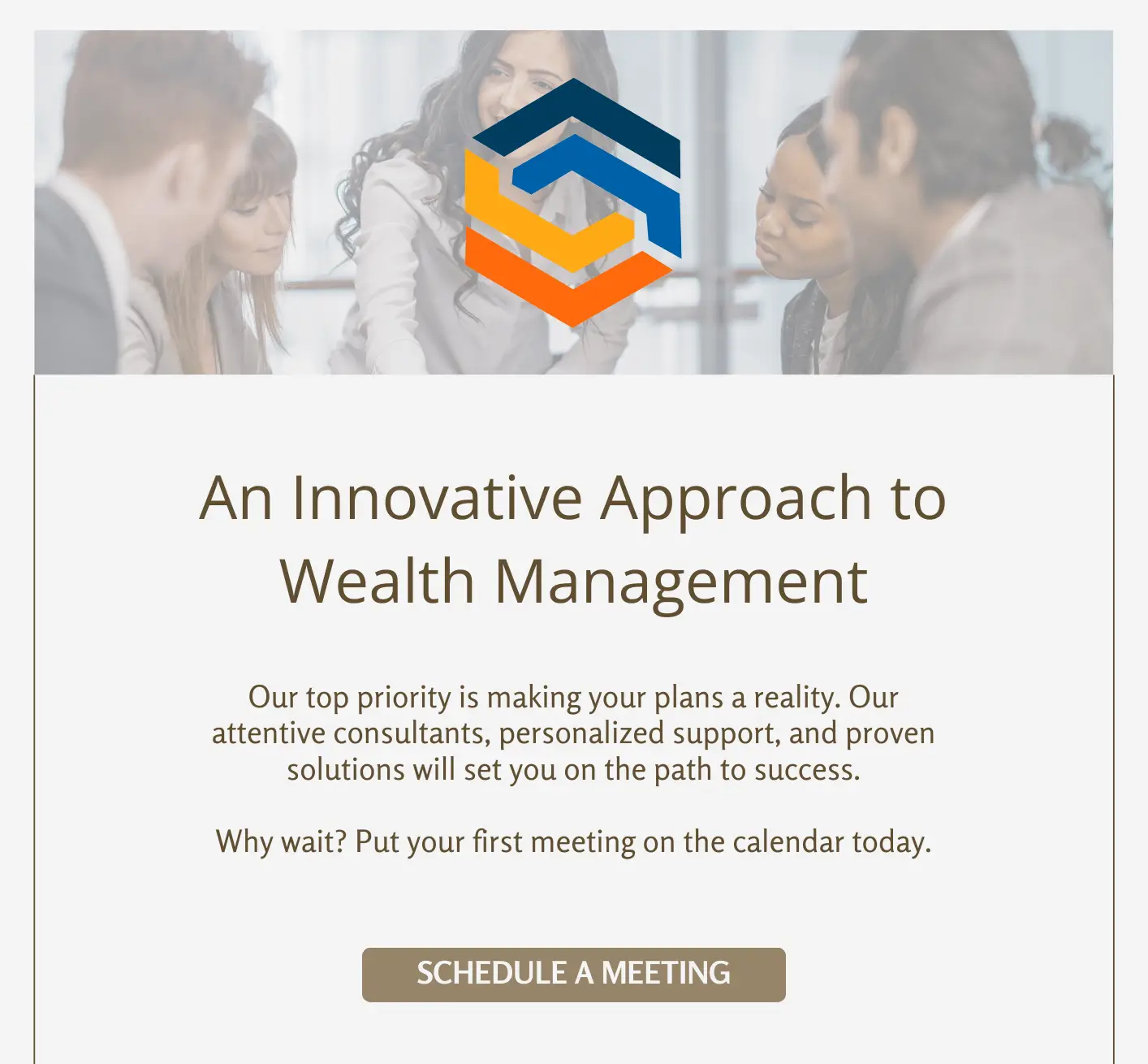
This is where Drift truly shines. First, Marketo kicks off a specialized nurture campaign for the user.

marketo drift integration

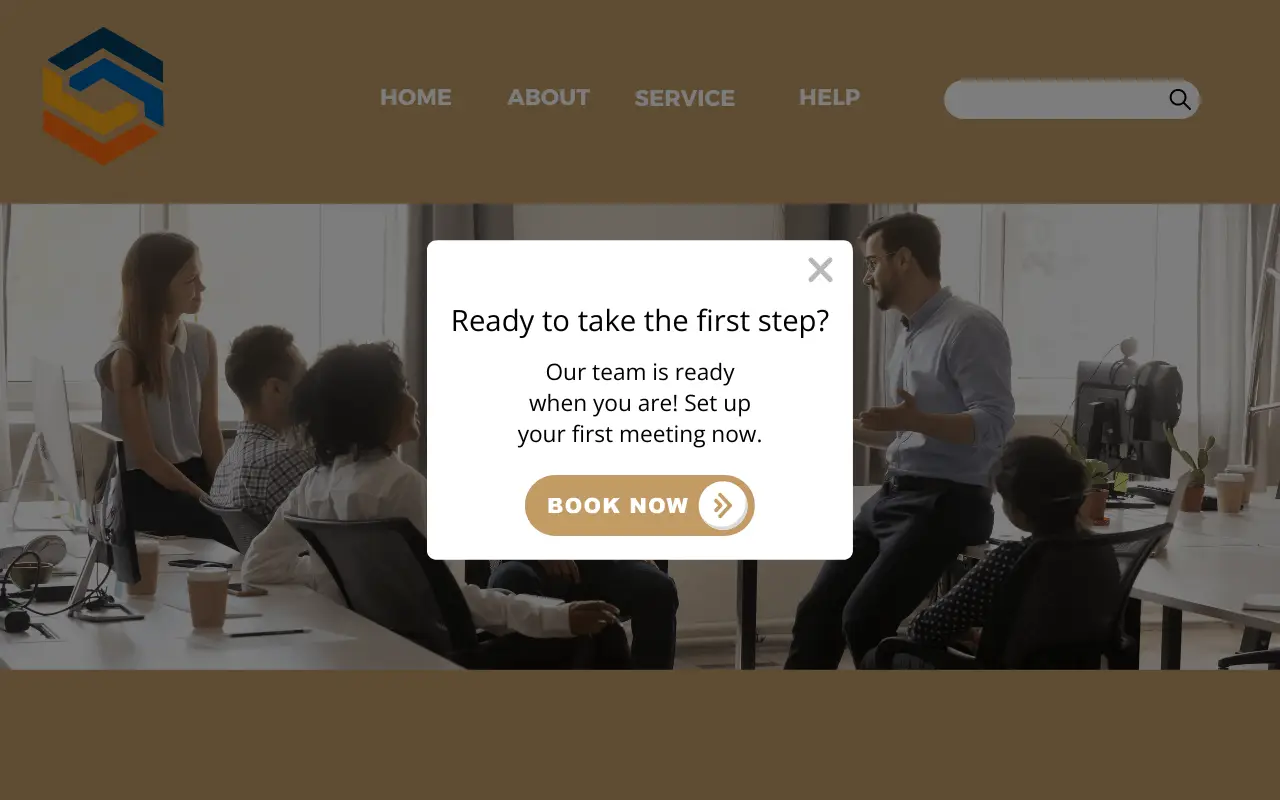
Next, when the client clicks on the email and goes to a personalized landing page, Drift leverages its screen takeover, guiding the user to schedule a meeting right away.

marketo drift integration

Because Drift and Marketo are integrated, scheduling a meeting requires fewer steps, and is as simple as selecting a date and time from a provided list. This is all designed to fast-track the sales process and make scheduling a sales meeting as easy as possible for the potential client.

The results are undeniable. Customers clearly appreciate the smoothness of the entire process. Since implementing the Drift screen takeover and nurture email campaigns, our client has enjoyed a significantly higher conversion rate and increased revenue.

Leveraging AI Chatbots for Improved Marketing

The potential for AI in marketing is hard to overstate. If you’re interested in upgrading your existing marketing automation setup with an AI chatbot like Drift, get in touch with us today. We’ll help you make the customer experience all the more streamlined and straightforward.


4Thought Marketing Logo   March 20, 2026 | Page 1 of 1 | https://4thoughtmarketing.com/articles/tag/lead-generation/