dirty data sophos

Modern business demands a lot from professionals. Systems like Eloqua work wonders to lighten the load, but sometimes they need a little help—especially where dirty data is involved. We work to provide the additional boost Eloqua needs to keep our customers in business. Here’s how 4Thought’s suite of Eloqua apps improved lead generation for Sophos.

About Sophos

Sophos provides comprehensive cybersecurity solutions for almost 400,000 businesses in more than 150 countries. Based out of the UK, the company has four other locations around the world. Their customer list includes such diverse clients as the Diocese of Brooklyn, the Washakie County School District, Del Monte, People’s Independent Bank, and many more. Sophos also offers a family version of their cybersecurity software for individual subscribers. But whether Sophos is marketing their products and services to fortune 500 companies or a local family, they rely on lead generation as much as any other company. And unfortunately, customers aren’t making their job easy.

Problem #1: Dirty Data

Sophos uses multiple free trials offers to generate new customer leads from anyone willing to fill out a short customer-facing form. There was certainly no shortage of interested parties submitting these forms. According to a 2017 survey, most B2B companies report that 66% or 2 out of 3 free trial users end up converting once their trial expires. Quality leads through free trials were and continue to be a valuable asset, to companies as a whole and to Sophos in particular.

However, much of the information submitted in these forms were unusable. People might provide an invalid email address or even list their name as “Mickey Mouse”. Far too much of the data coming from these forms fell into this category of “dirty data”. And if it wasn’t caught in time, the unusable information made its way to the sales team, who then had to spend additional time sorting genuine contacts from tire kickers.

Receiving fake data is surprisingly common, especially in the privacy and security fields. “People are exceptionally apprehensive about giving their personal details because they are in the security space,” said Corey Lysohirka, Senior Marketing Operations Manager at Sophos. “In our industry, people are less likely to provide us with their personal information.” While expected, the influx of unusable information was certainly a problem.

The Sophos team did their best to isolate dirty data once it entered their system. Their Eloqua setup included nearly 400 rules to locate bad information but lacked a straightforward and automated method to delete it.

Problem #2: Poor Lead Flow

Like many companies, Sophos works hard to promote its products and services at public events like trade shows and webinars. These marketing events can result in many new contacts and potential leads. However, contacts from events require near-immediate follow-ups to prevent the conversation from going stale. Sophos’ lead processing system segmented the contact data in Eloqua and marked them to be processed as leads, but that’s where it stopped. Eloqua’s Program Canvas only allows contacts to enter workflows at midnight each night. This caused lengthy delays in getting sales-ready leads into the sales team’s hands and caused the leads to go cold. Sophos needed a solution.

dirty data sophos

The Solution: Data Filtering & Lead Acceleration Apps from 4Thought Marketing

Corey first noticed 4Thought Marketing while examining the Eloqua cloud app catalog. Impressed with the range of apps and capabilities he saw, he requested that Sophos get in touch with them. From there it was a simple process to find the right apps to solve the problem.

4Thought has developed a suite of apps that extend Eloqua’s functionality and further streamline the marketing process. The first app considered was the Contact Garbage Indicator. This app screens every contact entering Eloqua and singles out potential bad data. This bad data is then held for manual review to prevent false positives. Once the data has been reviewed, the Contact Garbage Indicator empties its data storage and continues to filter incoming contacts.

The Contact Garbage Indicator works in tandem with another app from 4Thought Marketing, the Contact Deleter App. This app does exactly what its name implies—it purges bad contacts routed into it. The Sophos team is especially fond of this one. The team simply has to drop the object into the canvas and then, as Corey puts it, “You just route every garbage contact record that you want to be deleted out of Eloqua to that object and the app simply deletes the garbage record.”

But while both of these apps root out bad data that has already made its way into the system, legitimate customer contacts still need attention as potential leads. Sophos uses the Contact Cloud Feeder app to accelerate lead flow in Campaign Canvas. Instead of having to wait for overnight processes to transfer lead data between programs, the team set up the app to check for newly added contacts every 5 minutes. The app then begins processing, getting leads into the hands of sales reps faster. The process is fully automatic and fits right into their current Eloqua setup. No need to refresh segments, and no need to wait overnight for programs to refresh!

Results: Improved Quality & Processing Speed

With their new setup, Sophos’ data intake has never been better. The Contact Cloud Feeder App kicks off the cycle of processing incoming contacts as leads. The Contact Garbage Indicator then examines each lead for possible dirty data and filters it out. Finally, the Contact Deleter removes the bad data from the system entirely. With all the administrative work done automatically, Sophos is free to focus on generating and nurturing new leads without worrying about bad contacts.

The Sophos team is also exploring live email validation. When someone fills out a customer-facing form, the website will quickly verify that the domain for the provided email address actually exists, otherwise, it will not allow the form to submit. In the long term, Sophos plans to use this validation system to further filter bad data.

Write Your Own Success Story

Sophos has managed to drastically improve its data quality and lead flow with 4Thought Marketing’s suite of Eloqua apps. Dirty data is not a problem unique to them, however. Virtually any company could find itself dealing with bad contacts. Why not give our apps a try and streamline your marketing team’s workday? Contact us today for more information.


eloqua upload wizard

The Eloqua Upload Wizard from 4Thought Marketing is a game-changing tool for companies seeking to enhance their lead generation efforts. By streamlining the process of importing data, it can drastically reduce the time required to process new leads. This was especially true for Catalent, a global healthcare company who needed to improve the process for importing leads from their content syndication partners.

Challenge

Like many businesses, Catalent collected lead data from customers who opted in to communications. The challenge arose when the data arrived from their partners, each in different formats and each using different data standards. This forced the Catalent team to continually repeat a lengthy manual process to apply data standards and prepare the data for import into Oracle Eloqua. Even then, Eloqua’s default list upload feature would often accept data that did not conform to their standards, further complicating the issue. The company soon turned to 4Thought Marketing for help.

Solution: The Eloqua Upload Wizard

4Thought’s team had the solution: the Eloqua Upload Wizard cloud app. The Eloqua Upload Wizard is designed to address data management challenges with its ability to handle large volumes of data with ease. The tool can also identify and address errors in uploaded data to improve the system over time.

 The Upload Wizard was designed with these benefits in mind:

  1. Enhanced efficiency: The Upload Wizard allows organizations to manage large volumes of data more efficiently, reducing the time required to process and analyze data lists.
  2. User friendliness: Uploading data does not require specific Eloqua training to use. Any user can upload files with simple training, distributing the work to multiple employees.
  3. Customization: With extensive customization options, the Upload Wizard can adapt to the specific needs of each customer.
  4. Error management: The tool helps in addressing errors and improving the system over time, minimizing troubleshooting efforts and making the resolution process easier.
  5. Easy implementation: The process of developing requirements for the Upload Wizard is relatively straightforward, especially for organizations with a well-defined standard operating procedure (SOP).
  6. Scalability: As data volumes continue to grow, the Upload Wizard is designed to scale with the needs of an organization, ensuring that it remains a valuable tool in the face of increasing data management challenges.
eloqua upload wizard

Results: More Efficient Lead Generation for Catalent

With the Eloqua Upload Wizard, what used to take Catalent’s marketing team up to 30 days can now be accomplished in just a few hours. This allows them to act on leads more quickly, get them to sales sooner, and close deals faster to gain a competitive edge in their industry.

One team member described her positive experience with the Upload Wizard, saying, “Due to having the Upload Wizard, we’re able to tackle data uploads with ease and in record time.” She also highlighted the app’s troubleshooting capabilities. “As I receive notifications of errors in the file, I can update a table or picklist with the correct value. Now the troubleshooting has minimized tremendously, and the resolution is much easier.”

For more details on the Upload Wizard solution, watch our recorded webinar where we talked with several members of the Catalent team.

Make your workday easier! Contact our team today to learn more about the Eloqua Upload Wizard.


data segmentation for privacy

Data segmentation, the process of grouping customers based on interests and past activities, allows marketers to develop more targeted promotional materials. This is a tried-and-true part of professional marketing. However, data segmentation is also useful for customer data privacy. Let’s take a look at how that works.

Quick Review of Data Segmentation

Data segmentation is designed to turn a disorganized database of customers into a list of targeted groups based on factors such as past activities, displayed interests, geographic location, and other information. This is obviously invaluable for marketers. Combined with a robust marketing automation strategy, companies can create and send marketing materials designed to appeal to a particular group. This in turn increases customer interest and, hopefully, sales. The most successful campaigns are both timely and relevant.

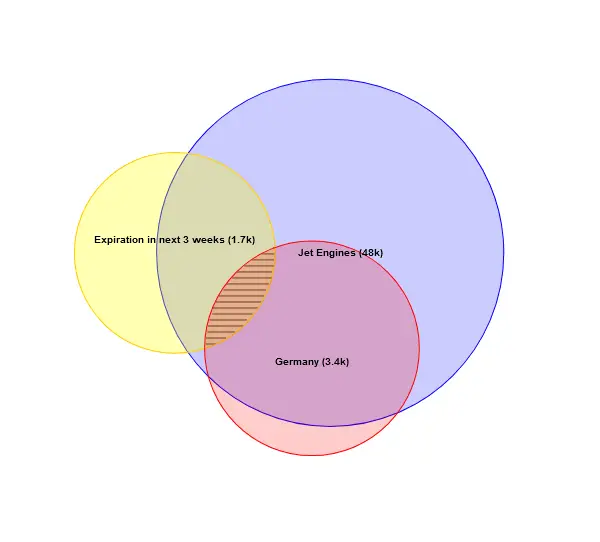
To illustrate, let’s look at a potential B2B scenario. You work for a company that manufactures and sells jet engines. You notice that Joe, a representative from a commercial airline in Germany, has used your website’s live chat feature to briefly talk to one of your sales reps. Joe did not grant explicit consent to receive communications from you. However, he was interested enough to ask questions about your product. Since Joe is subject to the GDPR, his actions would be considered a sign of “legitimate interest” or, in 4Comply terms, “permission”. You are allowed to email him about your products, but only for a limited time.

data segmentation for privacy

Tracking Consent in 4Segments

From a privacy perspective, data segmentation is an effective way to track both consent and permission. A powerful segmentation tool such as 4Segments makes the process much easier and is included with every 4Comply system. With a simple drag-and-drop gesture, you can begin building a new segment from your stored data.

Let’s continue our jet engine company example. After a few months, your marketing team wants to re-engage with contacts interested in jet engines but whose permission will soon expire. 4Segments makes it easy to collect this data. From there, 4Segments lets you take action with this data and send the whole group a reengagement email—for this example, we’ll say it’s an invitation to an upcoming webinar. Joe is free to simply ignore the message and allow his permission to expire. But if he signs up to attend the webinar, even without granting explicit consent, he has renewed his legitimate interest. You can continue contacting him about your products and services until his new permission expiration date.

data segmentation for privacy

Using Data Segmentation for Privacy

Proper data segmentation goes beyond simple marketing efforts. It also allows you to avoid sending communications to someone who no longer wants to hear from you. This not only gives them more direct control over how their data is used, but it also helps protect you from privacy-related complaints. Show your customers that you will honor their requests to the best of your ability.

Additionally, remember that many marketing automation tools (including Eloqua) charge per contact. Keeping contacts who no longer want to hear from you can literally cost you money! Segmenting customers with expired permission and removing their data is a wise step no matter your perspective.

Conclusion

Segmentation does more than help you optimize your marketing efforts. With the right data, you can also create segments that ensure you respect your customers’ consent or lack thereof in your marketing plans. Using data segmentation for privacy and consent management is a natural follow-up to using it solely for marketing and advertising.

Want to see privacy-focused segmentation in action? Contact us for a demo today.


eloqua integration

Eloqua offers businesses powerful tools to streamline their marketing efforts, generate leads, and nurture customer relationships. To maximize its effectiveness, Eloqua is often integrated with customer relationship management (CRM) systems such as Salesforce, Microsoft Dynamics, or Oracle Sales Cloud.

But what advantages does Eloqua integration offer? Integrating your Eloqua instance with CRM systems can help align marketing and sales teams, improve data accuracy, and enhance customer engagement, among many others. This article will explore the benefits of integrating Eloqua with CRM.

1. Improved Data Accuracy & Consistency

Eloqua CRM integration ensures that marketing and sales teams access the same customer data. This eliminates data silos and discrepancies, reducing the chances of duplicate records and errors. This also allows teams to make informed decisions based on accurate and up-to-date information.

2. Lead Management and Nurturing

Eloqua excels in lead generation and nurturing. When integrated with CRM, leads captured by Eloqua can be seamlessly transferred to the CRM system. This enables sales teams to prioritize and engage with leads effectively. Additionally, Eloqua can automate lead nurturing campaigns based on CRM data, ensuring that leads receive timely and relevant content.

3. Enhanced Lead Scoring

CRM integration allows for more robust lead-scoring models. Eloqua can leverage CRM data such as lead demographics, engagement history, and purchase behavior to assign scores to leads. This helps sales teams focus on high-quality leads, increasing conversion rates and revenue.

4. Closed-Loop Reporting

Integration enables closed-loop reporting, which tracks the entire customer journey from initial touchpoints to conversion. Marketing teams can measure the impact of their campaigns on revenue, while sales teams can understand which leads originated from specific marketing efforts. This visibility helps refine marketing strategies and allocate resources effectively.

5. Personalized Customer Experiences

Eloqua can utilize CRM data to create highly personalized marketing campaigns. Marketers can deliver tailored content and offers by understanding customer preferences, behaviors, and purchase history, increasing engagement and conversion rates.

eloqua integration

6. Streamlined Workflows

Integration automates various marketing and sales processes. For example, when a lead reaches a certain score in Eloqua, it can trigger a notification in the CRM system for a sales representative to follow up. This automation saves time, reduces manual tasks, and ensures timely lead responses.

7. Lead Attribution

Eloqua integration with a CRM provides insights into which marketing channels and campaigns are driving the most valuable leads and conversions. This attribution data helps allocate marketing budgets effectively and optimize strategies.

Integrating Eloqua with CRM Systems

Any business seeking to align sales and marketing efforts should start with CRM integration. It facilitates seamless data flow and ensures both teams work with real-time, accurate data. This alignment is crucial for effectively nurturing leads through the funnel and tracking and analyzing customer interactions at every touchpoint. Additionally, the integration can provide valuable insights to inform and refine marketing strategies, making your lead-generation efforts more effective.

Are you ready to start your initial Eloqua integration or optimize your existing integration but aren’t sure how? Contact our team of experts today and start getting the most value out of your Oracle Eloqua investment.


data minimization

Historically, corporate approaches to customer data privacy have rarely gone smoothly. Marketers tend to collect as much customer data as possible to maximize their outreach. But customers aren’t always willing to provide this data, especially if there seems to be no good reason for them to share it. This kind of consumer behavior prompted marketers to adopt a new habit: data minimization.

What is Data Minimization?

Data minimization consists of two primary rules. First, and more famously: collect only as much data as you actually need. For instance, a company sending free T-shirts to its clients may need their shirt sizes, but not their birthdays.

Second: only retain the data as long as you need to fulfill its intended purpose. Continuing our T-shirt giveaway example, the company has no reason to retain their clients’ provided shirt sizes once the promotion ends. This is true even if they plan to give away more T-shirts in the future. They only need this data for a very specific purpose, and holding onto it outside that purpose is unnecessary. Future T-shirt giveaways can just request sizing information again.

Data Minimization’s Origins in Marketing

Data minimization has an interesting history in marketing. In the early days of online advertising, marketers relished the thought of getting every possible bit of customer data regardless of whether it was immediately needed or not. After all, maybe they could use it in the future. This led to the creation of very, very long online forms for customers to fill out. Someone might have to provide everything from their birthday to their favorite color just to subscribe to an email newsletter.

Unsurprisingly, this approach wasn’t popular with consumers. First of all, the painfully detailed forms just took a long time to fill out. Second, many of the questions seemed invasive and unnecessary. Customers were left wondering why a T-shirt giveaway form wanted their shoe size. Marketers looked for ways to improve form conversions and discovered through testing that short and noninvasive forms performed much better.  They less they asked, the more conversions they recorded. Marketers began adjusting forms accordingly. Forms became shorter and simpler, asking fewer questions and requiring less data. Conversion rates noticeably increased as more customers were willing to complete these shorter forms.

The original intent behind these changes was to increase leads and therefore revenue. But what marketers may not have known at the time was that they were practicing data minimization—a principle that meshes perfectly with modern data privacy laws.

data minimization

How Data Minimization Improves Customer Trust

Data minimization is an excellent way to gain customer trust for several specific reasons. First: data minimization requires companies to be very transparent about why they need certain information, rather than just requesting data for its own sake. Customers who are told they’ll be receiving a free T-shirt will happily provide their shirt size. Customers who don’t know why the company wants this information will be skeptical, perceive this over-reach as an invasion of their privacy, and may abandon the form entirely.

Second: data minimization shows that the company respects customers’ rights to not provide every single detail about themselves. This demonstrates that the company doesn’t just view its customers as points of data to be used. They recognize their customers are people and deserve the choice of what to do with their private data. This helps customer trust as people learn the company won’t exploit them.

Practicing Data Minimization in a Privacy-Focused World

The information age has made customers more aware than ever of just how fast and how far their data can spread. By implementing data minimization, your company can demonstrate that you understand your customers’ concerns and won’t betray their trust. Better yet, your marketing department will get more leads and your legal department won’t have to worry about unnecessarily collected data. Everyone wins!

For more information on data minimization and overall privacy compliance, give us a call and chat with our team of privacy experts.


data hoarding

Humans love to collect things. Usually, these collections are innocent—stamps, coins, mugs, and what have you. But in the corporate world, the most prevalent kind of collecting—data hoarding—is far from innocent and can leave your company vulnerable to data breaches, fines, or worse.

What is Data Hoarding?

Data hoarding means collecting files and/or information and storing them indefinitely. In most businesses, that means continually collecting new customer information and shuttling it into your data stores right away. Marketers might instinctively try to do this so they have a constant stream of information. However, from a privacy compliance perspective, data hoarding is a terrible idea. Let’s look at a few reasons why.

Reason 1: Vulnerable, Unmanageable Data Stores

The more data you have, the harder it is to keep track of it all and manage it effectively. Worse, it’s also harder to protect. After all, most security programs or practices aren’t intended to cover a massive and constantly growing data collection. If a data breach compromises your company, all of that data is suddenly at risk.

Reason 2: Expiring Consent

Many privacy laws include provisions for customer consent to expire. If the customer doesn’t renew their interest, you’re no longer allowed to use or retain their data. And even without legally mandated expiration dates, customers will occasionally unsubscribe or request not to be contacted anymore. Expired data in your hoard can open you up to fines if you accidentally continue to use it after consent has expired or been withdrawn. And of course, if this expired data is stolen during a breach, then the customer is exposed to risks because you didn’t comply with their request to remove their data.

Reason 3: Risk of Unauthorized User Access

The bigger a data hoard becomes, the harder it is to manage it overall. This includes user access. And if the collected data is disorganized, as it often is, things get even more complicated. Let’s say User A is allowed to access names and phone numbers, but not emails, while User B is allowed to access all three. These distinctions are hard to make when the data is all thrown haphazardly into a hard drive.

It’s also possible that your resident data hoarder is collecting information they shouldn’t have access to. This, of course, leads to a whole different set of privacy and security risks.

Reason 4: DSARs Become Huge Hassles

If a customer wants to see, edit, or remove their data from your systems, you need to be able to find and process their data quickly. Finding the right data in a massive, disorganized data hoard is the opposite of fast. On top of that, you have to make sure you find ALL the relevant data on that customer, no matter how old or obscure it may be, including any potential duplicates. This could lead to missed deadlines and decreased customer satisfaction, not to mention damage to your company’s reputation. It can also cause DSAR costs to pile up as you have to share larger and larger amounts of data with users.

data hoarding

Reason 5: Reduced Company Efficiency

One common theme emerges in the data hoarding discussion: company efficiency. Navigating and managing your data hoard requires time, energy, money, and manpower that you simply can’t afford long-term. Your efficiency will be hindered by problems such as:

So, what’s the solution to your data hoarding problem?

Solutions to Data Hoarding

First of all, clean out your data stores periodically. Remove data that you know is wrong or that hasn’t been touched in a long time. If you don’t use it, lose it.

Second, keep track of the files you do regularly use as well as how often you use them. This will give you a clear picture of what you can safely delete.

Third, don’t buy more storage space than you realistically need. The temptation to fill excess space with hoarded data is real. Not only will cutting down on storage discourage data hoarding, but it can also save you money on storage equipment or cloud subscriptions.

Fourth, practice data minimization. Collect only the data you need, when you need it, and train your employees accordingly.

And finally: don’t worry that cleaning your data hoard will cost you contacts. The whole point of data cleansing is to get rid of “junk data” that’s just taking up room. Focusing on the customers who actually make you money will yield far better results than dividing your attention among many inactive contacts.

Conclusion

Data hoarding is a serious problem for privacy-conscious companies, but it doesn’t have to be your business’s downfall. Clean out your data hoard and put measures in place to ensure it doesn’t begin to balloon again. With a few changes in habit, you’ll reduce your risk of privacy violations or security breaches.

Want some help cleaning out your data hoard? Get in touch with us today with any questions.


dynamic content

Any marketer knows the impact personalized email marketing can have on revenue generation. Customers appreciate marketing materials designed specifically around them and their interests. One way this personalized content is made possible is through a critical part of email marketing: dynamic content.

While dynamic content is not difficult, doing it correctly can be complicated. It involves multiple steps and processes that must work together to produce an effective result. Today, we will explore the key steps in the dynamic content creation process and why they are important.

What Does Dynamic Content Look Like?

Simply put, dynamic content refers to a personalized marketing email based on a particular customer’s behavior or attributes. Examples of dynamic content might include:

  • An email reminding customers of forgotten items in their shopping cart, encouraging them to return and complete the purchase. Some businesses may include a discount code or other incentive to return.
  • An alert that a product the customer has previously added to their wish list is on sale (or the sale is ending soon).
  • A message suggesting products related to something the customer has previously purchased. For instance, a customer who just bought a grill might get an email suggesting particular tools or accessories used for outdoor cooking.
dynamic content

Dynamic Content: An Overview

A birds-eye view of creating dynamic content involves these steps:

  1. Creative brief: The process of creating dynamic content starts with a request from a marketer identifying the target audience and the content they want to deliver to that audience. This information is typically documented in a brief, which provides draft content for each recipient.
  2. Content creation: The next step is for copywriters and designers to build the content based on the brief. They create content relevant to each target audience and ensure it meets the brief’s goals.
  3. Coding and data management: Once the content has been created, it is handed over to the production team. They configure the marketing systems with content, configure the rules for use, and ensure it works with the data to achieve the desired results. This step is critical and requires close attention to detail to ensure all instructions are followed correctly.
  4. Testing and quality assurance: Before sending the email, it must be tested to ensure it works as expected. This includes checking for technical issues and ensuring the email meets quality standards.
  5. Previews and feedback: The email must be proofed by the requestor and legal team to ensure that the final product meets all legal and compliance requirements. Previews must be made available to non-technical stakeholders with the power of approval, even if they may not have a technical background.

Understanding Dynamic Content Creation

Creating Dynamic Content is a multi-step process that requires collaboration and communication between multiple teams. But when done correctly, it’s also far from difficult. By following these key steps and ensuring that everyone involved is informed and educated on their responsibilities, you can create dynamic content that delivers the results you want for your email marketing campaigns.

Not sure how to build dynamic content for your email marketing campaigns? We can get you on the right track. Contact our marketing experts and start improving your marketing efforts today.


email effectiveness email efficacy

Your email marketing strategy has been running for years and providing a steady source of leads and revenue. But maybe in recent months, things have changed. You might have noticed fewer people click on your CTAs or take advantage of promoted sales. Or registrations for upcoming events have dropped off. In short: your email performance is lagging, and you’re feeling the effects.

How can you pinpoint the problem and get your email marketing strategy back to optimal performance? 4Thought Marketing is pleased to announce our newest service offering: an email efficacy evaluation.

Why Get an Email Efficacy Evaluation?

Despite the rapid growth of new communication channels, email marketing still works! 4.26 billion people worldwide currently use email, which is expected to reach 4.73 billion by 2026. Meanwhile, HubSpot mentions an impressive ROI of $36 for every $1 spent on email marketing. To take advantage of these impressive numbers, your email marketing strategy and execution must be at the top of its game. That’s where we can help.

Our email efficacy evaluation service will examine your strategy and deeply dive into improving performance. Our expert team will review emails collected from your current or past marketing campaigns and provide professional input on how to improve. We can work with any marketing automation platform you use—Eloqua, Salesforce, Marketo, or something else. Your marketing team will get the direction they need to get back on track!

What an Email Efficacy Evaluation Looks Like

As the client, you’ll be in the driver’s seat. We’ll start by discussing the specific email marketing characteristics you’d like to focus on for improvement. These characteristics include, but are not limited to:

  • Subject line: Does it grab the reader’s attention? Does it provide a glimpse of what’s in the email without giving too much away?
  • Email layout and design: Does your email follow your brand guidelines and tell a story? Will readers on mobile devices be able to click on links?
  • CTAs: Is your CTA copy clear and concise? Is the button prominently displayed and easy to click?
  • Email content: How engaging is your email body? Is the message personalized to each customer?
  • Email deliverability: Is your email likely to get routed to the spam folder? Do you schedule the email to arrive at the optimal time for customer response?
  • Analytics: What’s the optimal send time for your messages? How often do your readers unsubscribe, and why?
  • Email settings: Does the email load quickly and correctly? Is the message formatted cleanly so no content is lost or obscured on desktop or mobile devices?
  • Compliance: Is your email marketing strategy compliant with applicable privacy laws?

Next, you’ll select specific emails from your marketing campaigns for us to analyze. Send as many as you want! We need a representative sample.

Once we’ve received your emails, we’ll review each email based on your chosen criteria. We’ll provide performance scores in each category and comments on how you can improve future emails.

Make Your Emails as Effective as Possible

Even as other marketing channels increase in popularity, email marketing remains a reliable source of revenue, customer growth, and retention. Don’t ignore small declines in performance. We can help your email marketing campaigns perform better than ever.

Ready to get started? Contact our team today to schedule your email efficacy evaluation.

email effectiveness email efficacy

4comply

Generally speaking, marketing and legal have differing priorities when data privacy is involved. The legal department wants to play it as safe as possible to leave no room for accidental privacy violations. Meanwhile, marketing wants to collect and use data wisely for advertising purposes. In addition, each department speaks their own language. How can marketing and legal learn to understand each other and work together effectively?

At 4Thought Marketing, we believe that as important as privacy compliance is, it shouldn’t hinder your company’s marketing efforts. Our goal is to empower marketers to promote their company without compromising data privacy. That’s why we developed our own, marketing-friendly privacy compliance software: 4Comply.

4Comply: Built by Marketers, for Marketers

4Comply results from privacy-conscious marketers building a solution to balance marketing and advertising with a healthy respect for customer data . This software keeps marketers’ challenges and needs at the forefront. 4Comply’s robust privacy compliance system and activity record keep the legal department happy while empowering the marketing department to maximize its potential.

Privacy & Marketing Working Together

Marketers have a long list of responsibilities. A large part of marketing is tapping into the company’s existing customer base and providing timely, relevant offers that yield profitable returns. After all, it’s much easier to sell more to an existing customer than to find and convert new customers. But to do this effectively, you need a set of guidelines.4Comply allows marketing departments to adhere to privacy policies provided by the legal team. Team members can determine which privacy laws apply (usually depending on a customer’s geographic location) and input the values into 4Comply. The marketing team contributes to the privacy policy based on their own requirements. From there, marketing helps keep the company in compliance by running inbound systems, and by collecting information to properly classify customers according to provided consent.

4Comply is the Missing Piece

When we developed 4Comply, we aimed to empower marketers to maximize their efforts while ensuring legal compliance. Our solution is designed to do more than just make privacy and marketing compatible. We want them to work together for a common goal. If your legal and marketing departments are struggling to find that common goal, give us a call and schedule a free demo of 4Comply. Let us show you how your marketing and legal teams can work together to ensure privacy compliance.

what makes 4comply different

Eloqua Webhook App – Eloqua Office Hours

Recorded September 28, 2023, 11:00 – 11:30 AM Pacific

This month, Nathan Nemirovski, Principal PM, Eloqua CRM integrations, joins us to preview the new Eloqua Webhook App.

In this session, we discuss:

  • Eloqua Webhook app use cases
  • Pushing contact data to 3rd parties from campaigns or programs
  • Configuring and testing webhooks
  • Signing up for controlled availability

privacy metrics

As one of the business functions with the most access to consumer data, marketing professionals need to be well-versed in privacy laws and regulations. Familiarity with laws such as the GDPR and CCPA/CPRA is important, but it’s not enough. Marketers also need to understand how these laws affect their day-to-day operations.

One of the best ways to stay informed is by monitoring key privacy metrics that highlight the impact of regulations on your work. By tracking the right data, you can collaborate with your organization’s compliance team, assess the impact of privacy laws on your job, and identify any potential sources of compliance risk in your tools and systems.

1. Cookie Consent Management & the Importance of Monitoring Consent Rates

Consent management is a crucial aspect of data privacy regulations, as businesses must obtain consumers’ consent before using tracking technologies such as cookies. This could mean presenting a cookie banner that requires users to accept or reject the collection of their data or simply informing them of the data collection and providing an opt-out option.

Tracking the number of users who opt-in or opt-out of data collection provides valuable insights into the effectiveness of retargeting efforts, the level of trust customers have in the brand, and potential issues with the cookie banner or website design that could be impacting consent rates. It’s essential to present a clear and informative banner, but manipulating visitors into providing consent or making it difficult to opt-out goes against ethical practices and should be avoided.

2. Outdated Data

In the past, businesses used to collect and store vast amounts of user data indefinitely. But today, modern data privacy regulations such as purpose limitation and retention minimization restrict businesses from collecting consumer data excessively and retaining it for an extended period. For marketers, the goal is to generate demand and leads, and once that objective is achieved, the data should be deleted.

Old data is ineffective for marketing purposes since email addresses become inactive, addresses change, and employees leave their organizations. Hence, it’s advisable to regularly clean up your CRM database to reduce compliance risks and improve data hygiene. Contacts who have hard-bounced, unsubscribed from emails, or have low engagement levels skew your campaigns and increase compliance risks. Moreover, you should conduct periodic audits of all martech systems that store consumer data.

privacy metrics

3. Number of Cookies & Scripts on Your Website

Understanding the requirements of data privacy regulations, such as obtaining user consent before tracking their data or providing an opt-out option, is a critical aspect of a marketer’s job. However, it’s equally important to understand which scripts on your website are tracking user behavior.

It’s advisable to categorize your website’s cookies and scripts into four categories: essential, analytics, functionality, and marketing. Different data privacy laws may treat these categories differently, so it’s important to familiarize yourself with the specifics of your law. For example, some laws may not permit the use of third-party marketing cookies unless the user explicitly opts in.

There are several ways to identify and classify the cookies and scripts on your website, including manual and automated approaches using compliance software. Regardless of the method you choose, it’s important to be knowledgeable about the number and nature of the scripts running on your website. This knowledge not only helps you maintain a faster, more efficient website, but it also enables you to comply with data privacy regulations.

4. Understanding the Martech Stack Vendors

A typical martech stack comprises 28 different vendors, but digital marketers may only be familiar with a few, such as their CRM software, Google Analytics, and email or social media tools. Becoming knowledgeable about the various vendors in the martech stack can support compliance and legal professionals in the organization. In the event of a data subject access request, marketers can identify and locate all potential storage locations for consumer data.

If your jurisdiction poses downstream risks from vendors, such as in the EU, it’s crucial to keep track of the companies handling consumer data. Marketers handle a significant amount of data, which is passed through multiple systems and tools, and any tool that doesn’t adhere to proper data privacy practices could introduce extra risk into the organization.

5. Regional Visitors Count

As a business, it’s essential to track the regions from where your leads originate. However, you need to be aware of the data privacy concerns associated with this metric. In several regions, businesses are only regulated under data privacy laws if they meet specific criteria such as the collection of data from a specified number of local residents. For instance, California’s CCPA/CPRA only applies to businesses that have a yearly revenue of over $25 million, receive or sell personal information of over 100,000 California residents, or derive more than 50% of their revenue from selling or sharing the personal information of California residents. Keeping an eye on these thresholds can help you comply with data privacy regulations in advance.

Still Have Questions?

Data privacy regulations and the role of marketing in compliance, especially where privacy metrics are concerned, are relatively new topics. If this discussion has left you with more questions, you’re not alone. Data privacy can be a complex subject. But we’re here to help. Get in touch with our team of privacy professionals today to jumpstart your new data privacy strategy.


privacy first marketing

In today’s data-driven world, the need for privacy-first marketing has never been more relevant. With consumers becoming increasingly aware of how their data is being used, it is essential for businesses to ensure that they respect their customers’ right to privacy while still gathering the information they need to personalize and target their marketing efforts effectively. In this blog post, we will go over three basic steps you should follow when implementing a privacy-first marketing strategy.

Focus on Your Privacy Policy

Your company’s privacy policy is the foundation of your privacy-first marketing strategy. The privacy policy outlines how your company collects and uses customer data and sets the guidelines for your data practices. It’s important to collaborate with legal counsel or privacy professionals to develop a privacy policy that complies with regulations and meets your marketing needs. If you already have a privacy policy in place, it’s important to review it to ensure that it meets your company’s current needs.

Your privacy policy will educate you on what you can and cannot do with customer data and ensure that you’re in compliance with data privacy regulations. This, in turn, will help you gain customer trust, which is essential for building a strong and loyal customer base.

Establish a Compliant Data Strategy

With a solid understanding of your company’s privacy policy, the next step is to develop a privacy-focused data strategy. This strategy should balance the need to gather data for personalization and targeting with the need to protect customer privacy.

One effective way to collect data while still respecting privacy is to maximize your collection of zero-party data. For example, you could exchange educational content for customer data or develop a digital questionnaire that asks for consent to collect data while helping customers select the product or service that fits their needs.

You can also benefit from the first-party data that other organizations are collecting by using walled gardens, such as Google, Facebook, and others. These walled gardens can target your ads for you, giving you the ability to personalize advertisements to the most relevant audiences while still complying with data privacy regulations.

privacy first marketing

Choose the Right Marketing Software

With your data strategy in place, you need the right tools to help you carry it out. When evaluating privacy-friendly marketing software, it’s important to keep a couple things in mind.

Any Third-Party Vendors’ Privacy Practices

Data privacy and marketing technology are not always guaranteed to go hand-in-hand, so it’s important to evaluate how third-party vendors treat the data you collect. A privacy professional can help you evaluate vendors for their data privacy compliance, or you can use a vendor monitoring solution to ensure compliance.

The Impact of Compliance on Your Role

Data privacy tools for marketers need to do more than just enable compliance. They also need to have a minimal impact on your role as a marketer, allowing you to carry out your marketing efforts effectively.

Privacy-First Marketing in the Modern World

In conclusion, implementing a privacy-first marketing strategy is essential for businesses in today’s data-driven world. By following these three basic steps, you can ensure that you’re collecting and using customer data in a way that respects their privacy while still achieving your marketing goals.

Want to know what else you can do to prioritize privacy-first strategies? Contact us today for more information.


4Thought Marketing Logo   April 9, 2026 | Page 1 of 1 | https://4thoughtmarketing.com/articles/page/25