privacy by design

Respecting user privacy is paramount in marketing automation. And for companies that want to give user privacy the attention it deserves, there’s arguably no better strategy than privacy by design.  Developed by the former Privacy Commissioner of Ontario, this approach advocates for integrating data privacy principles into your marketing strategies from the outset.

But if your marketing automation framework is already up and running, you need a way to implement these privacy measures without starting over. We asked six marketing experts for their thoughts on practical ways to incorporate privacy by design into existing marketing automation plans. Here’s what they told us.

1. Minimize & Secure Data Collection

Mayank Arya, COO & Practice Head – Data Privacy, Ashwathh Legal

In order to ensure privacy by design is built into your marketing automation plan, it is essential to minimize data collection upfront and only gather the essential information needed to meet your goals. For example, only ask for key details like an email address and interests through opt-in forms and analytics, rather than full contact details. Allow users to access or delete their data upon request and build these capabilities directly into your marketing automation platform.

Additionally, you must design your workflows and segments with privacy at the forefront of your mind and remove any unnecessary data points that are not critical. For example, avoid overly broad segmentation that could lead to the improper use of personal data and implement granular segmentation based only on relevant behaviors. You must also put security controls in place, such as encryption and access restrictions, to protect contact data within your marketing automation system.

When collecting data, take a “less is more” approach, and only gather the minimum information required for specific marketing activities. You should only use data for the stated purposes and have stricter default settings. For example, default to opt-outs rather than opt-ins for data sharing. It is a good idea to anonymize or pseudonymize contact details where possible. An automation template for enabling auto-deletion of data after periods of inactivity is a great practice. You should focus on providing clear consent, access, and deletion rights to give users more control over their information. Embedding these privacy-focused practices at every stage of your marketing automation workflows is essential.

Overall, minimizing data collection, securing data properly, anonymizing where possible, and providing transparency and control to users are practical ways to build privacy and data protection into your marketing automation strategy from the start. This ensures you have robust governance over contact data and can build trust and compliance into your marketing programs.

2. Implement Explicit Opt-In Mechanisms

Fahd Khan, Director of Marketing & Technology, JetLevel Aviation

A practical way to incorporate privacy by design into a marketing automation plan is to implement explicit opt-in mechanisms for all data collection and communication processes. This means ensuring that customers are fully informed about what data is being collected, how it will be used, and giving them clear, straightforward options to consent or opt out.

By integrating these opt-in features directly into your automation tools, you not only comply with privacy regulations like the GDPR, but you also build trust with your audience by respecting their privacy preferences from the outset. This approach demonstrates a commitment to ethical data practices, enhancing brand reputation and customer relationships.

3. Offer Granular Consent Choices

To embed privacy by design in a marketing automation plan, implement granular consent mechanisms. Instead of a one-size-fits-all approach, offer users clear choices regarding data usage. Allow them to customize their privacy preferences, specifying the types of communication they’re comfortable with. This ensures transparency and empowers users to control their data.

By integrating these privacy choices seamlessly into your automation workflows, you not only comply with regulations but also build trust with your audience. It’s a practical way to demonstrate a commitment to privacy while maintaining a personalized and effective marketing strategy.

4. Ensure Transparency & Independent Verification

Lucas Ochoa, Founder & CEO, Automat

Privacy by design means ensuring your business methods and technology align with your aims and goals, and having them independently verified for added trust. All details about how you handle personal data, your policies, and processes should be open to the people involved.

The technical aspects and procedures should be clear and open to both the users and those providing the service. There’s a significant focus on Fair Information Practices, which include being responsible, transparent, clear, and compliant with regulations. In this context, responsibility is paramount. This means when you collect personal data, you must also ensure its security. Everything you do related to privacy policies and procedures should be documented and recorded.

5. Integrate User Preference Centers

James Davis, Chief Editor, Surf Spots

Embedding privacy by design principles in a marketing automation strategy involves prioritizing transparency and user control. A practical step is to integrate preference centers into the automation platform. This empowers customers to dictate their data usage preferences, including opting in or out of certain marketing communications.

Implementing granular consent mechanisms ensures compliance with privacy regulations while fostering trust with the audience. Furthermore, adopting a privacy-first mindset across all touchpoints, from data collection to campaign execution, reinforces the brand’s commitment to respecting user privacy.

6. Anonymize Data for User Privacy

Irina Tracy, Chief Editor, Love Advice

At Love Advice, integrating privacy by design starts with anonymizing user data in our marketing automation tools. By doing so, we can still personalize and target our content effectively without compromising individual privacy.

This approach ensures that personal information is protected, fostering a secure environment for our subscribers. It’s not just about adhering to regulations; it’s about valuing our readers’ trust and privacy, which, in turn, strengthens our relationship with them.

Implementing privacy by design in your existing marketing strategy will help your business in the long run. You’ll earn customer trust and decrease your risk of privacy violations and penalties. But what’s the best place to start? Don’t worry—we can help. Contact our team of privacy experts today to kick off your privacy-first marketing rework.



third party cookies phase out

We asked nine experts how marketers can adapt to the upcoming loss of third-party cookies. Here’s what they told us.

1. Embrace First-Party Data Collection

precious abacan third party cookies phase out

Precious Abacan, Marketing Director, Softlist

Start focusing on first-party data. Adapt! As we head into 2024, digital marketers will find themselves in an environment with stricter privacy laws and less reliance on third-party cookies. As a result, the industry is starting to see first-party data as the new go-to.

The main thing now is to get users’ permission and be clear about how data is handled, with a big emphasis on collecting and storing data ethically. This means embracing zero-party data collection and advertising methods that respect users’ privacy. These steps are vital for gaining consumers’ trust and will help businesses provide personalized experiences while keeping privacy intact. This change is in line with the evolving laws and the growing demand from consumers for responsible handling of their data.

2. Prioritize Direct Customer Relationships

justin cole third party cookies phase out

Justin Cole, President and SEO Strategist, Tested Media

Data is like the new oil. Refining it will drive the 21st-century engines of prosperity. Businesses that invest in first-party data platforms see an increase in marketing ROI. 

Invest in building a robust first-party data infrastructure. Offer incentives for users to share data through loyalty programs, personalized experiences, or valuable content. Then, cultivate deeper connections through email marketing, social media engagement, loyalty programs, and personalized customer experiences. Finally, invest in creating valuable content, exceptional customer service, and genuine brand experiences that grow trust and loyalty. Loyal customers are more likely to share data and engage directly with your brand.

3. Incentivize Voluntary Data Sharing

patrick beltran third party cookies phase out

Patrick Beltran, Marketing Director, Ardoz Digital

Provide value to customers and seek their consent. The discontinuation of third-party cookies doesn’t imply that businesses must halt data collection and utilization in their marketing efforts. Instead, the focus should be on optimizing the data voluntarily shared by individuals. 

This data, commonly referred to as first-party data, is the information customers willingly provide on a digital platform you own, such as your website. Some businesses encourage users to create accounts to access software or view wholesale pricing. They may allow customers to create wish lists or mark items as “liked”—features that entice customers to register. Similarly, you can offer valuable content downloads or product demos in exchange for an email address and motivate subscribers to complete surveys or preference centers to provide additional data. 

Offer customers valuable incentives or content to encourage them to willingly share their data. Once you have their explicit opt-in, you can personalize your approach or offers based on what you know about a visitor’s preferences or their past order history.

4. Leverage Email Marketing Assets

Focus on your mailing list as an internal business asset. It’s something that not a lot of businesses do, and it’s so crucial in developing your customer journeys and loyalty. 2024 is the year of the newsletter!

5. Build Interactive First-Party Databases

As third-party cookies phase out, marketers can focus on building first-party data through customer engagement strategies. Encourage users to share information by offering personalized experiences, exclusive content, or loyalty programs.

For the best results, create interactive and value-driven content. It incentivizes users to provide their data voluntarily. Once you have a decent list, you can send newsletters or subscription services over email.

This way, you can gather first-party data from users who have opted in. It’s a more reliable and privacy-compliant database than using cookies. You can leverage it to build relationships with your customers and establish a transparent channel of communication.

6. Track Sales & Marketing Correlations

Focus on source-of-truth sales from your entire organization, tracked daily, and compared with the costs and results of your marketing activities, also tracked daily. This way, you’ll know over time which actions in your marketing efforts are correlated with more business-wide sales. 

For more precise tracking, onboard a customer data platform and an attribution partner to get detailed insights about the performance of your advertising activities.

7. Explore Contextual Advertising Opportunities

eric eng third party cookies phase out

Eric Eng, Founder and CEO, Private College Admissions Consultant, AdmissionSight

Aside from first-party cookies, a good strategy for marketers to develop or turn to would be contextual advertising. Contextual advertising leverages keywords and phrases within the content of a website or webpage to display relevant ads, rather than relying on user data from cookies. 

This approach allows for more targeted and personalized advertisements without infringing on users’ privacy. It’s important for marketers to also focus on creating engaging and valuable content that will naturally attract their target audience, rather than solely relying on targeted ads. This can include utilizing social media platforms to build brand awareness and establish a strong online presence.

However, all strategies should be complemented with a strong understanding of and adherence to data privacy laws, and transparency and ethical practices when collecting and using user data. As technology evolves, marketers need to adapt and find innovative ways to reach their audience without compromising user privacy.

8. Foster Permission-Based Customer Engagement

In the ever-evolving digital landscape, as the era of third-party cookies fades away, savvy marketers are setting sail toward the shores of personalized, permission-based marketing. Picture it like an exclusive club where customers willingly opt in to receive tailored content and experiences. This strategy focuses on building genuine relationships by putting the customer in the driver’s seat, allowing them to choose the level of engagement they’re comfortable with.

By fostering trust and delivering valuable content, marketers can create a bespoke experience that not only respects privacy but also resonates with the audience on a personal level. It’s like having a conversation with your favorite barista who knows just how you like your coffee—tailored, enjoyable, and built on mutual understanding. Welcome to the future of marketing, where permission is the new currency, and the customer is the VIP.

9. Create Engaging Interactive Content

Marketers can pivot toward creating engaging and interactive content to encourage direct audience interaction. By fostering genuine connections and experiences, brands can build strong customer relationships without relying on third-party cookies for tracking, ensuring continued effectiveness in a cookie-less landscape.

Need some help updating your marketing strategy as third-party cookies phase out? Contact our team of experts today.


data privacy data quality

Data quality is central to marketing’s ability to create targeted campaigns and personalized experiences. Marketers work very hard to ensure the data they collect is accurate, relevant, and up-to-date which helps improve campaign performance and drive engagement and revenue. New privacy laws align well with marketing data collection practices. Gone are the days of collecting as much data as possible, hoarding and using it for as long as possible. Let’s examine the relationship between marketing, data quality, and privacy.

What is Data Quality?

Data quality refers to the accuracy, completeness, consistency, and timeliness of the data collected. Accurate data is essential for making informed business decisions, providing personalized customer experiences, and targeting the right audience with relevant messaging at the right time. Inaccurate data can lead to flawed insights, wasted resources, and missed opportunities.

What is Data Privacy?

Data privacy refers to the protection of sensitive information from unauthorized access, use, or disclosure. This information can include personally identifiable information (PII), health information, financial information, or any other information that is considered sensitive. Violating data privacy can result in severe repercussions, including identity theft, financial loss, reputational harm, and the erosion of public confidence in the digital environment, as well as the imposition of substantial fines and penalties for non-compliance with applicable regulations.

What is the Relationship Between Data Privacy & Data Quality for Marketers?

Data privacy and data quality are closely linked. For example, if a marketer collects a customer’s email address and then sends them irrelevant marketing material, the customer may consider this a breach of their privacy. Not only can this damage the relationship with the customer, but it can also harm the brand’s reputation.

Marketers can increase their conversion rates and avoid damaging their brand by ensuring that the data is accurate, relevant, and up-to-date. On the other hand, high-quality data can improve data privacy. For example, if a marketer collects a customer’s email address and sends them personalized marketing material that they are interested in, the customer is more likely to trust the brand with their personal information.

Another core tenet of data privacy is data minimization, or only collecting information required to respond to customer requests and only using it as necessary. This is generally the side of privacy that most laws tend to emphasize.

data privacy data quality

What are the Data Privacy Regulations for Marketers?

Data privacy regulations are designed to protect sensitive information from unauthorized access, use, or disclosure. One of the most well-known data privacy regulations is the General Data Protection Regulation (GDPR), which applies to all organizations that collect, process, or store the personal data of EU citizens.

The GDPR requires organizations to obtain explicit consent from individuals before collecting their data, provide access to their data upon request, and implement appropriate security measures to protect the data. Failure to comply with the GDPR can result in significant fines and damage the brand’s reputation.

What Steps Can Marketers Take to Ensure Data Privacy and Quality?

Marketers can take several steps to ensure data privacy and quality, including:

  • Only collect personal data from people who have given explicit consent for you to do so
  • Collect details on consent input at the point of initial contact: in other words, accurately record information on the request (such as when, why, how, etc.) to evaluate for permissions later
  • Take appropriate steps to protect sensitive information: access control, data encryption, etc.
  • Train employees to understand data security and implement best practices
  • Regularly review and update data to ensure accuracy and relevance.
  • Track changes to data privacy laws and ensure ongoing compliance

To summarize, data quality and privacy are crucial components of successful marketing. Marketers rely on accurate, relevant, and up-to-date data to create targeted campaigns and personalized experiences. However, data privacy is equally essential to building trust with customers and avoiding data breaches. Marketers must comply with data privacy regulations such as the GDPR and implement best practices to ensure data privacy and quality. By doing so, they can improve the customer experience, build trust, and drive engagement and revenue. As data continues to play a significant role in marketing, prioritizing data quality and privacy will be essential for success.

Introducing 4Comply: The Privacy Compliance Software for Marketers

4Comply is a data privacy solution optimized for marketers that makes it easy to practice privacy compliance at every step. At the point of first contact with a customer, 4Comply collects details on consent input to help you make future decisions as you market to that customer. Best of all, 4Comply’s system records everything you and creates a record to prove your ongoing legal compliance. Get in touch with our team of experts today to schedule a free demo and better incorporate privacy into your long-term marketing strategy.


legitimate interest cta

In an increasingly privacy-conscious world, companies must continually adjust their strategies for collecting and using customer data as laws and regulations change. By necessity, this includes rethinking a major marketing staple: the Call To Action (CTA). Since customers no longer want to hand out large amounts of personal information (and you may not be allowed to ask in the first place), how can you continue using CTAs effectively when you don’t have explicit consent? One answer comes from a concept cemented in the GDPR: legitimate interest.

The legal term “legitimate interest” appears only in the EU’s privacy law, the GDPR. However, the concept is present in several other prominent regulations, each with its take on how legitimate interest is communicated and how long it lasts. A given company’s privacy policy needs to address both. More importantly, the privacy policy must stay within the appropriate legal guidelines for each regulation.

What is Legitimate Interest?

Most privacy laws contain some concept of legitimate interest even if the term itself doesn’t appear. And for our purposes, this principle is the most important. The European Commission defines legitimate interest in this way:

“Your company/organization has a legitimate interest when the processing takes place within a client relationship, when it processes personal data for direct marketing purposes, to prevent fraud or to ensure the network and information security of your IT systems.”

Old-school marketing measures would say that making a purchase or taking advantage of an offer demonstrates legitimate interest to be contacted frequently and perpetually. But a detailed understanding of most relevant legislation shows that’s not the case. Privacy laws are concerned with the customers’ interests above all else—and most customers don’t want to be contacted forever. Nor do they want a barrage of offers on items they haven’t expressed interest in for a while. Instead, they are more likely to respond when the offer is based on recent interactions.

Layering Calls to Action

In a privacy-conscious world, companies can collect many customers’ legitimate interest through “layering” their calls to action. This ensures you’re targeting customers that actually want to hear from you, rather than just sending off mass emails.

One simple way to layer CTAs is to promote them specifically to their target audience. For example, a cybersecurity management firm might publish a blog article about recognizing phishing emails. The article could contain a link to purchase the firm’s specialized antivirus software. Anyone reading the blog is interested in safeguarding their computer, and will be more likely to appreciate the offer.

A second way to layer CTAs is to embed one offer within another that has already been accepted. Let’s continue the example of the cybersecurity management firm. A customer that signs up for their newsletter demonstrates an interest in computer security, and may also be interested in attending an upcoming security webinar advertised in the newsletter. The webinar itself may conclude with a CTA to take a free cybersecurity assessment. This is just an extension of the customer’s interest, and continually accepting CTAs within CTAs demonstrates continued interest—and more importantly, continued permission to be contacted.

Regardless of how you choose to handle your calls to action, make sure to keep your promises! Failure to follow through on an offer will only hurt you.

Different Types of CTAs

Showcasing a call to action is more than just presenting a customer with a link. What form does it take? Is it likely to draw the customer in? Experiment with these tried-and-true CTA formats:

  • Strategy session. If you’re promoting training or services, use this session to show the customer how your services will help them.
  • Demo invitation. Invite the customer to watch your product in action. This approach is best for highly engaged leads that are very likely to buy from you.
  • Free trial. Let the customer play with a product or service on their own before making a decision.
  • Series of emails. Offer to send the customer a series of emails specifically focused on something they’re interested in. This gives the customer engaging material, and you a lead to nurture.
  • General marketing offer. If all else fails, go for Plan B and simply ask the customer if they’re open to any and all future communications from you. You’ll retain a lead, but you’ll have to continue working to narrow down their interests.
legitimate interest cta

Managing Customer Preferences

Customers deserve to know that you respect their preferences. But this raises the question: how can you keep track of everyone’s marketing preferences? Can you respond effectively when they express a preference and prove to your customers that you’re following the law?

That’s where a specialized privacy compliance software comes in. 4Comply, a creation of 4Thought Marketing, is designed to keep your marketing campaigns in line with the applicable regulations and prove to your customers that you’re doing your best. Privacy software helps with several critical functions:

  • Centralized consent: This system keeps track of which customers provided explicit consent and those who didn’t, but whose actions satisfy legitimate interest.
  • Permissions. Permissions tracking ensures that you use customer data in compliance both with legal requirements and with customer preferences.
  • Legal activity history. A permanent legal activities archive keeps track of every consent-related activity. Any customer that asks why you’re emailing them can be shown that they responded to a call to action.

Customers are more aware than ever of their rights to privacy. Likewise, privacy laws have more teeth and can cost you more for violations. An all-in-one software solution that monitors all your activities is an invaluable addition to your arsenal.

Structure Your Offers for a Privacy-Focused Audience

Privacy laws are designed to protect customer data, not hinder businesses. You can still maintain a lucrative marketing strategy while staying well within the guidelines. However, you must think more strategically about your approach.

With new restrictions on advertising, companies have had to learn to balance zealous marketing with a healthy respect for customer privacy. Correctly understanding legal and practical guidelines for sales tactics can be time-consuming. However, with the right approach, the results are more than worth it.

Is your system optimized for new legal requirements? We can help you find out! Get in touch today for a privacy assessment to keep your marketing strategy in the clear.


data segmentation for privacy

Data segmentation, the process of grouping customers based on interests and past activities, allows marketers to develop more targeted promotional materials. This is a tried-and-true part of professional marketing. However, data segmentation is also useful for customer data privacy. Let’s take a look at how that works.

Quick Review of Data Segmentation

Data segmentation is designed to turn a disorganized database of customers into a list of targeted groups based on factors such as past activities, displayed interests, geographic location, and other information. This is obviously invaluable for marketers. Combined with a robust marketing automation strategy, companies can create and send marketing materials designed to appeal to a particular group. This in turn increases customer interest and, hopefully, sales. The most successful campaigns are both timely and relevant.

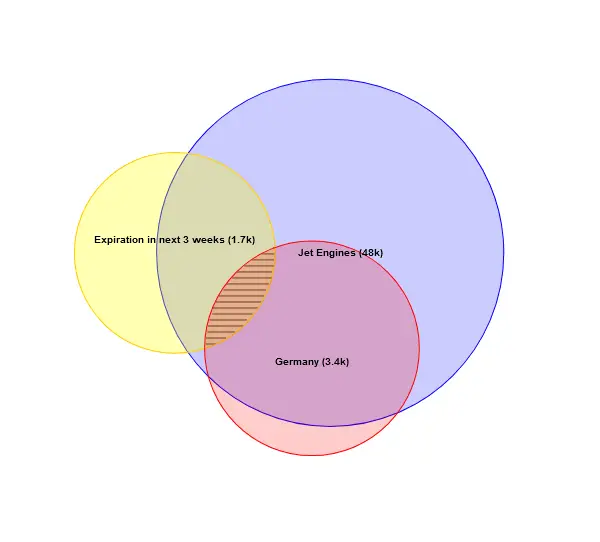
To illustrate, let’s look at a potential B2B scenario. You work for a company that manufactures and sells jet engines. You notice that Joe, a representative from a commercial airline in Germany, has used your website’s live chat feature to briefly talk to one of your sales reps. Joe did not grant explicit consent to receive communications from you. However, he was interested enough to ask questions about your product. Since Joe is subject to the GDPR, his actions would be considered a sign of “legitimate interest” or, in 4Comply terms, “permission”. You are allowed to email him about your products, but only for a limited time.

data segmentation for privacy

Tracking Consent in 4Segments

From a privacy perspective, data segmentation is an effective way to track both consent and permission. A powerful segmentation tool such as 4Segments makes the process much easier and is included with every 4Comply system. With a simple drag-and-drop gesture, you can begin building a new segment from your stored data.

Let’s continue our jet engine company example. After a few months, your marketing team wants to re-engage with contacts interested in jet engines but whose permission will soon expire. 4Segments makes it easy to collect this data. From there, 4Segments lets you take action with this data and send the whole group a reengagement email—for this example, we’ll say it’s an invitation to an upcoming webinar. Joe is free to simply ignore the message and allow his permission to expire. But if he signs up to attend the webinar, even without granting explicit consent, he has renewed his legitimate interest. You can continue contacting him about your products and services until his new permission expiration date.

data segmentation for privacy

Using Data Segmentation for Privacy

Proper data segmentation goes beyond simple marketing efforts. It also allows you to avoid sending communications to someone who no longer wants to hear from you. This not only gives them more direct control over how their data is used, but it also helps protect you from privacy-related complaints. Show your customers that you will honor their requests to the best of your ability.

Additionally, remember that many marketing automation tools (including Eloqua) charge per contact. Keeping contacts who no longer want to hear from you can literally cost you money! Segmenting customers with expired permission and removing their data is a wise step no matter your perspective.

Conclusion

Segmentation does more than help you optimize your marketing efforts. With the right data, you can also create segments that ensure you respect your customers’ consent or lack thereof in your marketing plans. Using data segmentation for privacy and consent management is a natural follow-up to using it solely for marketing and advertising.

Want to see privacy-focused segmentation in action? Contact us for a demo today.


data minimization

Historically, corporate approaches to customer data privacy have rarely gone smoothly. Marketers tend to collect as much customer data as possible to maximize their outreach. But customers aren’t always willing to provide this data, especially if there seems to be no good reason for them to share it. This kind of consumer behavior prompted marketers to adopt a new habit: data minimization.

What is Data Minimization?

Data minimization consists of two primary rules. First, and more famously: collect only as much data as you actually need. For instance, a company sending free T-shirts to its clients may need their shirt sizes, but not their birthdays.

Second: only retain the data as long as you need to fulfill its intended purpose. Continuing our T-shirt giveaway example, the company has no reason to retain their clients’ provided shirt sizes once the promotion ends. This is true even if they plan to give away more T-shirts in the future. They only need this data for a very specific purpose, and holding onto it outside that purpose is unnecessary. Future T-shirt giveaways can just request sizing information again.

Data Minimization’s Origins in Marketing

Data minimization has an interesting history in marketing. In the early days of online advertising, marketers relished the thought of getting every possible bit of customer data regardless of whether it was immediately needed or not. After all, maybe they could use it in the future. This led to the creation of very, very long online forms for customers to fill out. Someone might have to provide everything from their birthday to their favorite color just to subscribe to an email newsletter.

Unsurprisingly, this approach wasn’t popular with consumers. First of all, the painfully detailed forms just took a long time to fill out. Second, many of the questions seemed invasive and unnecessary. Customers were left wondering why a T-shirt giveaway form wanted their shoe size. Marketers looked for ways to improve form conversions and discovered through testing that short and noninvasive forms performed much better.  They less they asked, the more conversions they recorded. Marketers began adjusting forms accordingly. Forms became shorter and simpler, asking fewer questions and requiring less data. Conversion rates noticeably increased as more customers were willing to complete these shorter forms.

The original intent behind these changes was to increase leads and therefore revenue. But what marketers may not have known at the time was that they were practicing data minimization—a principle that meshes perfectly with modern data privacy laws.

data minimization

How Data Minimization Improves Customer Trust

Data minimization is an excellent way to gain customer trust for several specific reasons. First: data minimization requires companies to be very transparent about why they need certain information, rather than just requesting data for its own sake. Customers who are told they’ll be receiving a free T-shirt will happily provide their shirt size. Customers who don’t know why the company wants this information will be skeptical, perceive this over-reach as an invasion of their privacy, and may abandon the form entirely.

Second: data minimization shows that the company respects customers’ rights to not provide every single detail about themselves. This demonstrates that the company doesn’t just view its customers as points of data to be used. They recognize their customers are people and deserve the choice of what to do with their private data. This helps customer trust as people learn the company won’t exploit them.

Practicing Data Minimization in a Privacy-Focused World

The information age has made customers more aware than ever of just how fast and how far their data can spread. By implementing data minimization, your company can demonstrate that you understand your customers’ concerns and won’t betray their trust. Better yet, your marketing department will get more leads and your legal department won’t have to worry about unnecessarily collected data. Everyone wins!

For more information on data minimization and overall privacy compliance, give us a call and chat with our team of privacy experts.


data hoarding

Humans love to collect things. Usually, these collections are innocent—stamps, coins, mugs, and what have you. But in the corporate world, the most prevalent kind of collecting—data hoarding—is far from innocent and can leave your company vulnerable to data breaches, fines, or worse.

What is Data Hoarding?

Data hoarding means collecting files and/or information and storing them indefinitely. In most businesses, that means continually collecting new customer information and shuttling it into your data stores right away. Marketers might instinctively try to do this so they have a constant stream of information. However, from a privacy compliance perspective, data hoarding is a terrible idea. Let’s look at a few reasons why.

Reason 1: Vulnerable, Unmanageable Data Stores

The more data you have, the harder it is to keep track of it all and manage it effectively. Worse, it’s also harder to protect. After all, most security programs or practices aren’t intended to cover a massive and constantly growing data collection. If a data breach compromises your company, all of that data is suddenly at risk.

Reason 2: Expiring Consent

Many privacy laws include provisions for customer consent to expire. If the customer doesn’t renew their interest, you’re no longer allowed to use or retain their data. And even without legally mandated expiration dates, customers will occasionally unsubscribe or request not to be contacted anymore. Expired data in your hoard can open you up to fines if you accidentally continue to use it after consent has expired or been withdrawn. And of course, if this expired data is stolen during a breach, then the customer is exposed to risks because you didn’t comply with their request to remove their data.

Reason 3: Risk of Unauthorized User Access

The bigger a data hoard becomes, the harder it is to manage it overall. This includes user access. And if the collected data is disorganized, as it often is, things get even more complicated. Let’s say User A is allowed to access names and phone numbers, but not emails, while User B is allowed to access all three. These distinctions are hard to make when the data is all thrown haphazardly into a hard drive.

It’s also possible that your resident data hoarder is collecting information they shouldn’t have access to. This, of course, leads to a whole different set of privacy and security risks.

Reason 4: DSARs Become Huge Hassles

If a customer wants to see, edit, or remove their data from your systems, you need to be able to find and process their data quickly. Finding the right data in a massive, disorganized data hoard is the opposite of fast. On top of that, you have to make sure you find ALL the relevant data on that customer, no matter how old or obscure it may be, including any potential duplicates. This could lead to missed deadlines and decreased customer satisfaction, not to mention damage to your company’s reputation. It can also cause DSAR costs to pile up as you have to share larger and larger amounts of data with users.

data hoarding

Reason 5: Reduced Company Efficiency

One common theme emerges in the data hoarding discussion: company efficiency. Navigating and managing your data hoard requires time, energy, money, and manpower that you simply can’t afford long-term. Your efficiency will be hindered by problems such as:

So, what’s the solution to your data hoarding problem?

Solutions to Data Hoarding

First of all, clean out your data stores periodically. Remove data that you know is wrong or that hasn’t been touched in a long time. If you don’t use it, lose it.

Second, keep track of the files you do regularly use as well as how often you use them. This will give you a clear picture of what you can safely delete.

Third, don’t buy more storage space than you realistically need. The temptation to fill excess space with hoarded data is real. Not only will cutting down on storage discourage data hoarding, but it can also save you money on storage equipment or cloud subscriptions.

Fourth, practice data minimization. Collect only the data you need, when you need it, and train your employees accordingly.

And finally: don’t worry that cleaning your data hoard will cost you contacts. The whole point of data cleansing is to get rid of “junk data” that’s just taking up room. Focusing on the customers who actually make you money will yield far better results than dividing your attention among many inactive contacts.

Conclusion

Data hoarding is a serious problem for privacy-conscious companies, but it doesn’t have to be your business’s downfall. Clean out your data hoard and put measures in place to ensure it doesn’t begin to balloon again. With a few changes in habit, you’ll reduce your risk of privacy violations or security breaches.

Want some help cleaning out your data hoard? Get in touch with us today with any questions.


4comply

Generally speaking, marketing and legal have differing priorities when data privacy is involved. The legal department wants to play it as safe as possible to leave no room for accidental privacy violations. Meanwhile, marketing wants to collect and use data wisely for advertising purposes. In addition, each department speaks their own language. How can marketing and legal learn to understand each other and work together effectively?

At 4Thought Marketing, we believe that as important as privacy compliance is, it shouldn’t hinder your company’s marketing efforts. Our goal is to empower marketers to promote their company without compromising data privacy. That’s why we developed our own, marketing-friendly privacy compliance software: 4Comply.

4Comply: Built by Marketers, for Marketers

4Comply results from privacy-conscious marketers building a solution to balance marketing and advertising with a healthy respect for customer data . This software keeps marketers’ challenges and needs at the forefront. 4Comply’s robust privacy compliance system and activity record keep the legal department happy while empowering the marketing department to maximize its potential.

Privacy & Marketing Working Together

Marketers have a long list of responsibilities. A large part of marketing is tapping into the company’s existing customer base and providing timely, relevant offers that yield profitable returns. After all, it’s much easier to sell more to an existing customer than to find and convert new customers. But to do this effectively, you need a set of guidelines.4Comply allows marketing departments to adhere to privacy policies provided by the legal team. Team members can determine which privacy laws apply (usually depending on a customer’s geographic location) and input the values into 4Comply. The marketing team contributes to the privacy policy based on their own requirements. From there, marketing helps keep the company in compliance by running inbound systems, and by collecting information to properly classify customers according to provided consent.

4Comply is the Missing Piece

When we developed 4Comply, we aimed to empower marketers to maximize their efforts while ensuring legal compliance. Our solution is designed to do more than just make privacy and marketing compatible. We want them to work together for a common goal. If your legal and marketing departments are struggling to find that common goal, give us a call and schedule a free demo of 4Comply. Let us show you how your marketing and legal teams can work together to ensure privacy compliance.

what makes 4comply different

privacy metrics

As one of the business functions with the most access to consumer data, marketing professionals need to be well-versed in privacy laws and regulations. Familiarity with laws such as the GDPR and CCPA/CPRA is important, but it’s not enough. Marketers also need to understand how these laws affect their day-to-day operations.

One of the best ways to stay informed is by monitoring key privacy metrics that highlight the impact of regulations on your work. By tracking the right data, you can collaborate with your organization’s compliance team, assess the impact of privacy laws on your job, and identify any potential sources of compliance risk in your tools and systems.

1. Cookie Consent Management & the Importance of Monitoring Consent Rates

Consent management is a crucial aspect of data privacy regulations, as businesses must obtain consumers’ consent before using tracking technologies such as cookies. This could mean presenting a cookie banner that requires users to accept or reject the collection of their data or simply informing them of the data collection and providing an opt-out option.

Tracking the number of users who opt-in or opt-out of data collection provides valuable insights into the effectiveness of retargeting efforts, the level of trust customers have in the brand, and potential issues with the cookie banner or website design that could be impacting consent rates. It’s essential to present a clear and informative banner, but manipulating visitors into providing consent or making it difficult to opt-out goes against ethical practices and should be avoided.

2. Outdated Data

In the past, businesses used to collect and store vast amounts of user data indefinitely. But today, modern data privacy regulations such as purpose limitation and retention minimization restrict businesses from collecting consumer data excessively and retaining it for an extended period. For marketers, the goal is to generate demand and leads, and once that objective is achieved, the data should be deleted.

Old data is ineffective for marketing purposes since email addresses become inactive, addresses change, and employees leave their organizations. Hence, it’s advisable to regularly clean up your CRM database to reduce compliance risks and improve data hygiene. Contacts who have hard-bounced, unsubscribed from emails, or have low engagement levels skew your campaigns and increase compliance risks. Moreover, you should conduct periodic audits of all martech systems that store consumer data.

privacy metrics

3. Number of Cookies & Scripts on Your Website

Understanding the requirements of data privacy regulations, such as obtaining user consent before tracking their data or providing an opt-out option, is a critical aspect of a marketer’s job. However, it’s equally important to understand which scripts on your website are tracking user behavior.

It’s advisable to categorize your website’s cookies and scripts into four categories: essential, analytics, functionality, and marketing. Different data privacy laws may treat these categories differently, so it’s important to familiarize yourself with the specifics of your law. For example, some laws may not permit the use of third-party marketing cookies unless the user explicitly opts in.

There are several ways to identify and classify the cookies and scripts on your website, including manual and automated approaches using compliance software. Regardless of the method you choose, it’s important to be knowledgeable about the number and nature of the scripts running on your website. This knowledge not only helps you maintain a faster, more efficient website, but it also enables you to comply with data privacy regulations.

4. Understanding the Martech Stack Vendors

A typical martech stack comprises 28 different vendors, but digital marketers may only be familiar with a few, such as their CRM software, Google Analytics, and email or social media tools. Becoming knowledgeable about the various vendors in the martech stack can support compliance and legal professionals in the organization. In the event of a data subject access request, marketers can identify and locate all potential storage locations for consumer data.

If your jurisdiction poses downstream risks from vendors, such as in the EU, it’s crucial to keep track of the companies handling consumer data. Marketers handle a significant amount of data, which is passed through multiple systems and tools, and any tool that doesn’t adhere to proper data privacy practices could introduce extra risk into the organization.

5. Regional Visitors Count

As a business, it’s essential to track the regions from where your leads originate. However, you need to be aware of the data privacy concerns associated with this metric. In several regions, businesses are only regulated under data privacy laws if they meet specific criteria such as the collection of data from a specified number of local residents. For instance, California’s CCPA/CPRA only applies to businesses that have a yearly revenue of over $25 million, receive or sell personal information of over 100,000 California residents, or derive more than 50% of their revenue from selling or sharing the personal information of California residents. Keeping an eye on these thresholds can help you comply with data privacy regulations in advance.

Still Have Questions?

Data privacy regulations and the role of marketing in compliance, especially where privacy metrics are concerned, are relatively new topics. If this discussion has left you with more questions, you’re not alone. Data privacy can be a complex subject. But we’re here to help. Get in touch with our team of privacy professionals today to jumpstart your new data privacy strategy.


privacy first marketing

In today’s data-driven world, the need for privacy-first marketing has never been more relevant. With consumers becoming increasingly aware of how their data is being used, it is essential for businesses to ensure that they respect their customers’ right to privacy while still gathering the information they need to personalize and target their marketing efforts effectively. In this blog post, we will go over three basic steps you should follow when implementing a privacy-first marketing strategy.

Focus on Your Privacy Policy

Your company’s privacy policy is the foundation of your privacy-first marketing strategy. The privacy policy outlines how your company collects and uses customer data and sets the guidelines for your data practices. It’s important to collaborate with legal counsel or privacy professionals to develop a privacy policy that complies with regulations and meets your marketing needs. If you already have a privacy policy in place, it’s important to review it to ensure that it meets your company’s current needs.

Your privacy policy will educate you on what you can and cannot do with customer data and ensure that you’re in compliance with data privacy regulations. This, in turn, will help you gain customer trust, which is essential for building a strong and loyal customer base.

Establish a Compliant Data Strategy

With a solid understanding of your company’s privacy policy, the next step is to develop a privacy-focused data strategy. This strategy should balance the need to gather data for personalization and targeting with the need to protect customer privacy.

One effective way to collect data while still respecting privacy is to maximize your collection of zero-party data. For example, you could exchange educational content for customer data or develop a digital questionnaire that asks for consent to collect data while helping customers select the product or service that fits their needs.

You can also benefit from the first-party data that other organizations are collecting by using walled gardens, such as Google, Facebook, and others. These walled gardens can target your ads for you, giving you the ability to personalize advertisements to the most relevant audiences while still complying with data privacy regulations.

privacy first marketing

Choose the Right Marketing Software

With your data strategy in place, you need the right tools to help you carry it out. When evaluating privacy-friendly marketing software, it’s important to keep a couple things in mind.

Any Third-Party Vendors’ Privacy Practices

Data privacy and marketing technology are not always guaranteed to go hand-in-hand, so it’s important to evaluate how third-party vendors treat the data you collect. A privacy professional can help you evaluate vendors for their data privacy compliance, or you can use a vendor monitoring solution to ensure compliance.

The Impact of Compliance on Your Role

Data privacy tools for marketers need to do more than just enable compliance. They also need to have a minimal impact on your role as a marketer, allowing you to carry out your marketing efforts effectively.

Privacy-First Marketing in the Modern World

In conclusion, implementing a privacy-first marketing strategy is essential for businesses in today’s data-driven world. By following these three basic steps, you can ensure that you’re collecting and using customer data in a way that respects their privacy while still achieving your marketing goals.

Want to know what else you can do to prioritize privacy-first strategies? Contact us today for more information.


marketing and privacy

Marketing and privacy are functionally two sides of the same coin. Chief Marketing Officers (CMOs) are responsible for gathering, analyzing, and tracking consumer data to perform their roles effectively. Meanwhile, Data Protection Officers (DPOs) are tasked with safely managing data collection and processing in accordance to the appropriate laws and privacy policies.

Unfortunately, these complementary roles can feel like they’re in conflict. Marketing wants to use collected data to its fullest potential for as long as possible. Legal leans towards playing it safe and strictly interpreting data privacy laws in their policies, restricting how much data can be collected, how it can be used, and how long it can be retained. Is it possible for these two departments to work together?

Thankfully, yes! CMOs and DPOs can work collaboratively to achieve their objectives while safeguarding the organization and respecting consumers’ data privacy rights. Today, we’ll explore a few ways CMOs and DPOs can improve their working relationship.

1. Prioritize Education & Communication Between Departments

Firstly, DPOs should prioritize education and communication. While their primary responsibilities may involve conducting audits or reviewing contracts, keeping their colleagues in marketing informed has a positive spillover effect on their other duties. When marketers understand the importance of data privacy, they become more cautious about their vendor choices, know where consumer data lives and how it flows within the organization.

Additionally, CMOs need to learn how their work relates to privacy risks. Many marketers are surprised to discover the degree of overlap between their roles and data privacy. Modern data privacy regulations focus on protecting consumers’ rights over their data, and marketers handle the most consumer data in a typical organization. As a result, learning how to respect consumer data privacy rights is part of the modern digital marketer’s job. To help bridge this knowledge gap, marketing professionals can explore educational resources that focus on privacy-first marketing and common compliance strategies.

2. Participate in Data Mapping Together

Marketing professionals handle the most consumer data out of anyone in any company. Accordingly, CMOs must be active participants in their organization’s data inventory, also known as data mapping. A robust data inventory requires the involvement of multiple stakeholders within the organization, and keeping it up-to-date is an ongoing exercise. However, it is the key to effective compliance down the line, allowing privacy professionals to work more efficiently and reducing disruptions to marketing professionals’ core tasks.

marketing and privacy

3. Develop Privacy Compliance Solutions Together

Privacy strategies developed in a vacuum are not ideal for long-term success. DPOs should include marketers when evaluating compliance solutions that manage consumer data, such as consent management, website experience, customer relationship management (CRMs), email tools, and other potential sources of information. Because marketing professionals handle the most consumer data in most organizations, they need to have a seat at the table when it comes to evaluating compliance solutions.

4. Remember the Impact of Compliance Strategies on Marketing

Finally, DPOs need to be sensitive to the impact that compliance solutions have on marketing. Implementing compliance solutions can result in significant changes for the marketing department. For example, consent management platforms may require a company to collect less web data, which marketers use to perform their jobs. By proactively communicating and educating their peers and by consulting with marketing before selecting a compliance solution, privacy professionals can prevent disruptions to marketing operations.

Conclusion

In conclusion, marketing and privacy are more intertwined than one might think. When marketing and privacy operate separately, it can lead to negative outcomes. Without collaboration, marketing does not follow through on the privacy team’s recommendations, the privacy team does not see the results they hoped for, and the organization ultimately finds itself at greater risk. CMOs and DPOs need to be in regular communication with one another, learn about each other’s roles and responsibilities, and work in tandem to safeguard the organization and respect consumers’ data privacy rights.

Contact us today to give your marketing and legal departments a head start in learning how to work together.


data subject access requests

With each new privacy law that emerges, the rights of consumers to assert control over their personal data become more formidable, and the significance of data subject access requests (DSARs) gains greater prominence. As a marketer, are you positioned not just to comply but to take the lead in revolutionizing these interactions? It’s not just about adhering to the legal mandates—it’s an exciting opportunity to elevate the overall customer experience by seamlessly incorporating DSARs!

Empowering Consumer Rights

The foundation of this movement lies in these key consumer rights:

  • Right to access: It’s empowering for individuals to have the ability to peer into the data that a company holds about them. This transparency builds trust and fosters a sense of control.
  • Right to update: People change, and so does their data. This right acknowledges the dynamic nature of personal information and allows individuals to correct inaccuracies, leading to more accurate insights and communications.
  • Right to portability: This right introduces the element of choice, enabling consumers to request their data or transfer it to another organization. This portability is a testament to a customer-centric approach, where the confines of a single platform no longer bind individuals.
  • Right to be forgotten: The power to request the erasure of personal data signifies a fresh start, a clean slate. It’s a recognition that individuals should be free to disconnect.

These rights empower customers to file DSARs. Although no single law outlines an exact process for fulfilling DSARs, several well-established best practices shine a light on the path forward. Let’s explore the exciting ways marketers can connect with customers using DSARs!

Do’s for Elevating Customer Experience through DSARs

Plan Your Approach

DSARs are not just a checkbox on the compliance list—they’re an opportunity to show your customers that you care. View this process as a journey, not just a destination. Consider automating some more repetitive tasks, so your team can focus on the human touch, providing a personalized response that leaves a lasting positive impression.

Create a Request Intake Workflow

Consider DSARs as a bridge between your brand and your customers, which should be as accessible and welcoming as possible. Let’s look at the California Privacy Rights Act (CPRA) as an example. The CPRA emphasizes providing multiple channels for customers to submit DSARs, but allows companies to choose their preferred methods.

Why not make your DSAR intake methods as accessible and user-friendly as possible—like a simple online form? The ease and efficiency of this approach lend themselves well to DSAR automation while also creating a memorable, positive experience for your customers.

Incorporate Consumer Validation

Validation is not just about confirming the requester’s identity—it’s about creating a secure and reassuring environment for your customers. After all, user trust is paramount. Taking the time to verify a user’s identity shows your customers that you take the utmost care to protect their data from unauthorized access.

For basic data requests, simple authentication data like sending a link to an email address, asking for account numbers or addresses might suffice. However, for more sensitive data, consider offering additional layers of validation, such as security questions or document uploads. This extra effort not only ensures compliance but also demonstrates your commitment to protecting your customers’ interests.

Invest in Training

data subject access requests

Your staff members are ambassadors for your brand. And the better trained and equipped they are to handle incoming DSARs, the better it will reflect on your company as a whole.

Providing comprehensive training to all staff members involved in handling DSARs is essential. It’s not just about understanding the legal requirements—it’s about internalizing the importance of these interactions in fostering customer trust. When your entire team is aligned with the same goal of providing exceptional customer experiences, you create a truly effective privacy strategy.

Don’ts for Elevating Customer Experience through DSARs

Don’t Force Account Creation

Remember, customer convenience is king! Laws like the CPRA prohibit account creation for DSARs, but legal requirements aside, creating a smooth experience shows respect for your customers. It demonstrates that you won’t put unreasonable barriers between them and their rights. This demonstrates your commitment to a customer-first approach.

Don’t Let Requests Slip Through the Cracks

Promptness is a virtue when it comes to responding to DSARs. Although the exact timeframes vary between different privacy laws, striving for the shortest possible response time should be a shared goal. When customers receive prompt responses, it shows that you respect their time and helps to build continued trust in your brand.

Don’t Request Unnecessary Personal Information

Transparency and data minimization go hand in hand. When designing your intake process, ensure that you collect only the essential information needed for request verification. Show your customers that you won’t ask them to hand over everything to you. Remember, when it comes to data collection, less is more!

The Case for DSAR Automation

Automation isn’t as complicated as it sounds. Embracing DSAR automation allows you to turn a typical rights request into an exciting customer engagement tool. Automating steps such as data intake and verification is a game changer—they streamline the entire DSAR journey, both for you and your customers. And the more efficient and simpler the process is, the more satisfied your customers will be.

Conclusion

DSAR fulfillment is a chance to showcase your brand’s commitment to customer satisfaction. And luckily, it’s not difficult for marketers like you to navigate DSARs to enrich customer experiences. Be proactive and transparent, and prioritize privacy to forge unbreakable bonds with your customers.

Ready to transform your DSAR fulfillment strategy into a customer experience triumph? Connect with our privacy experts today!


4Thought Marketing Logo   March 31, 2026 | Page 1 of 1 | https://4thoughtmarketing.com/data-privacy/page/5/