data segmentation for privacy

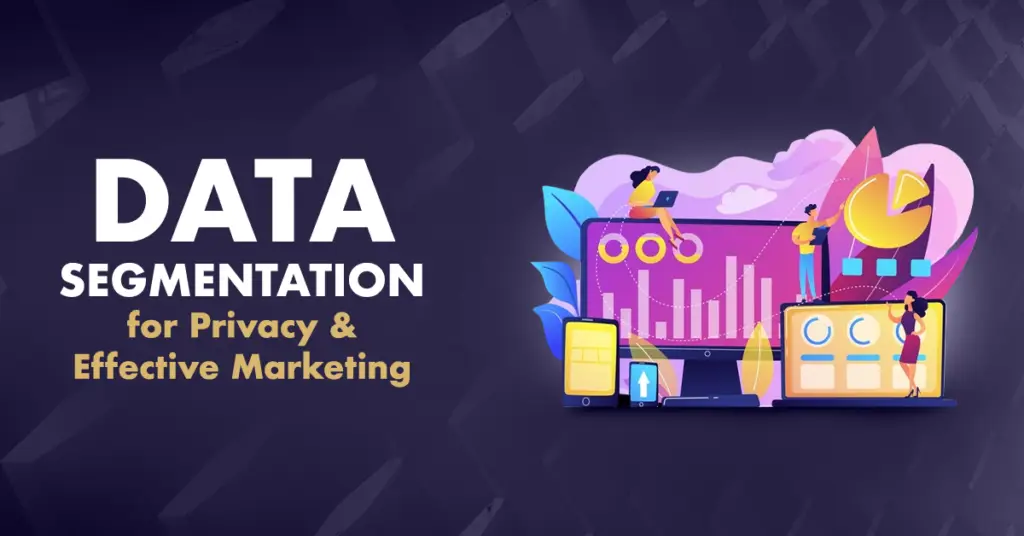
Data segmentation, the process of grouping customers based on interests and past activities, allows marketers to develop more targeted promotional materials. This is a tried-and-true part of professional marketing. However, data segmentation is also useful for customer data privacy. Let’s take a look at how that works.

Quick Review of Data Segmentation

Data segmentation is designed to turn a disorganized database of customers into a list of targeted groups based on factors such as past activities, displayed interests, geographic location, and other information. This is obviously invaluable for marketers. Combined with a robust marketing automation strategy, companies can create and send marketing materials designed to appeal to a particular group. This in turn increases customer interest and, hopefully, sales. The most successful campaigns are both timely and relevant.

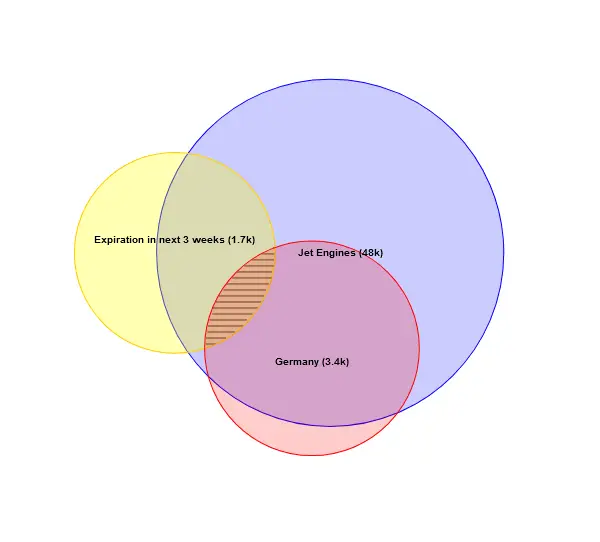
To illustrate, let’s look at a potential B2B scenario. You work for a company that manufactures and sells jet engines. You notice that Joe, a representative from a commercial airline in Germany, has used your website’s live chat feature to briefly talk to one of your sales reps. Joe did not grant explicit consent to receive communications from you. However, he was interested enough to ask questions about your product. Since Joe is subject to the GDPR, his actions would be considered a sign of “legitimate interest” or, in 4Comply terms, “permission”. You are allowed to email him about your products, but only for a limited time.

data segmentation for privacy

Tracking Consent in 4Segments

From a privacy perspective, data segmentation is an effective way to track both consent and permission. A powerful segmentation tool such as 4Segments makes the process much easier and is included with every 4Comply system. With a simple drag-and-drop gesture, you can begin building a new segment from your stored data.

Let’s continue our jet engine company example. After a few months, your marketing team wants to re-engage with contacts interested in jet engines but whose permission will soon expire. 4Segments makes it easy to collect this data. From there, 4Segments lets you take action with this data and send the whole group a reengagement email—for this example, we’ll say it’s an invitation to an upcoming webinar. Joe is free to simply ignore the message and allow his permission to expire. But if he signs up to attend the webinar, even without granting explicit consent, he has renewed his legitimate interest. You can continue contacting him about your products and services until his new permission expiration date.

data segmentation for privacy

Using Data Segmentation for Privacy

Proper data segmentation goes beyond simple marketing efforts. It also allows you to avoid sending communications to someone who no longer wants to hear from you. This not only gives them more direct control over how their data is used, but it also helps protect you from privacy-related complaints. Show your customers that you will honor their requests to the best of your ability.

Additionally, remember that many marketing automation tools (including Eloqua) charge per contact. Keeping contacts who no longer want to hear from you can literally cost you money! Segmenting customers with expired permission and removing their data is a wise step no matter your perspective.

Conclusion

Segmentation does more than help you optimize your marketing efforts. With the right data, you can also create segments that ensure you respect your customers’ consent or lack thereof in your marketing plans. Using data segmentation for privacy and consent management is a natural follow-up to using it solely for marketing and advertising.

Want to see privacy-focused segmentation in action? Contact us for a demo today.


data minimization

Historically, corporate approaches to customer data privacy have rarely gone smoothly. Marketers tend to collect as much customer data as possible to maximize their outreach. But customers aren’t always willing to provide this data, especially if there seems to be no good reason for them to share it. This kind of consumer behavior prompted marketers to adopt a new habit: data minimization.

What is Data Minimization?

Data minimization consists of two primary rules. First, and more famously: collect only as much data as you actually need. For instance, a company sending free T-shirts to its clients may need their shirt sizes, but not their birthdays.

Second: only retain the data as long as you need to fulfill its intended purpose. Continuing our T-shirt giveaway example, the company has no reason to retain their clients’ provided shirt sizes once the promotion ends. This is true even if they plan to give away more T-shirts in the future. They only need this data for a very specific purpose, and holding onto it outside that purpose is unnecessary. Future T-shirt giveaways can just request sizing information again.

Data Minimization’s Origins in Marketing

Data minimization has an interesting history in marketing. In the early days of online advertising, marketers relished the thought of getting every possible bit of customer data regardless of whether it was immediately needed or not. After all, maybe they could use it in the future. This led to the creation of very, very long online forms for customers to fill out. Someone might have to provide everything from their birthday to their favorite color just to subscribe to an email newsletter.

Unsurprisingly, this approach wasn’t popular with consumers. First of all, the painfully detailed forms just took a long time to fill out. Second, many of the questions seemed invasive and unnecessary. Customers were left wondering why a T-shirt giveaway form wanted their shoe size. Marketers looked for ways to improve form conversions and discovered through testing that short and noninvasive forms performed much better.  They less they asked, the more conversions they recorded. Marketers began adjusting forms accordingly. Forms became shorter and simpler, asking fewer questions and requiring less data. Conversion rates noticeably increased as more customers were willing to complete these shorter forms.

The original intent behind these changes was to increase leads and therefore revenue. But what marketers may not have known at the time was that they were practicing data minimization—a principle that meshes perfectly with modern data privacy laws.

data minimization

How Data Minimization Improves Customer Trust

Data minimization is an excellent way to gain customer trust for several specific reasons. First: data minimization requires companies to be very transparent about why they need certain information, rather than just requesting data for its own sake. Customers who are told they’ll be receiving a free T-shirt will happily provide their shirt size. Customers who don’t know why the company wants this information will be skeptical, perceive this over-reach as an invasion of their privacy, and may abandon the form entirely.

Second: data minimization shows that the company respects customers’ rights to not provide every single detail about themselves. This demonstrates that the company doesn’t just view its customers as points of data to be used. They recognize their customers are people and deserve the choice of what to do with their private data. This helps customer trust as people learn the company won’t exploit them.

Practicing Data Minimization in a Privacy-Focused World

The information age has made customers more aware than ever of just how fast and how far their data can spread. By implementing data minimization, your company can demonstrate that you understand your customers’ concerns and won’t betray their trust. Better yet, your marketing department will get more leads and your legal department won’t have to worry about unnecessarily collected data. Everyone wins!

For more information on data minimization and overall privacy compliance, give us a call and chat with our team of privacy experts.


data hoarding

Humans love to collect things. Usually, these collections are innocent—stamps, coins, mugs, and what have you. But in the corporate world, the most prevalent kind of collecting—data hoarding—is far from innocent and can leave your company vulnerable to data breaches, fines, or worse.

What is Data Hoarding?

Data hoarding means collecting files and/or information and storing them indefinitely. In most businesses, that means continually collecting new customer information and shuttling it into your data stores right away. Marketers might instinctively try to do this so they have a constant stream of information. However, from a privacy compliance perspective, data hoarding is a terrible idea. Let’s look at a few reasons why.

Reason 1: Vulnerable, Unmanageable Data Stores

The more data you have, the harder it is to keep track of it all and manage it effectively. Worse, it’s also harder to protect. After all, most security programs or practices aren’t intended to cover a massive and constantly growing data collection. If a data breach compromises your company, all of that data is suddenly at risk.

Reason 2: Expiring Consent

Many privacy laws include provisions for customer consent to expire. If the customer doesn’t renew their interest, you’re no longer allowed to use or retain their data. And even without legally mandated expiration dates, customers will occasionally unsubscribe or request not to be contacted anymore. Expired data in your hoard can open you up to fines if you accidentally continue to use it after consent has expired or been withdrawn. And of course, if this expired data is stolen during a breach, then the customer is exposed to risks because you didn’t comply with their request to remove their data.

Reason 3: Risk of Unauthorized User Access

The bigger a data hoard becomes, the harder it is to manage it overall. This includes user access. And if the collected data is disorganized, as it often is, things get even more complicated. Let’s say User A is allowed to access names and phone numbers, but not emails, while User B is allowed to access all three. These distinctions are hard to make when the data is all thrown haphazardly into a hard drive.

It’s also possible that your resident data hoarder is collecting information they shouldn’t have access to. This, of course, leads to a whole different set of privacy and security risks.

Reason 4: DSARs Become Huge Hassles

If a customer wants to see, edit, or remove their data from your systems, you need to be able to find and process their data quickly. Finding the right data in a massive, disorganized data hoard is the opposite of fast. On top of that, you have to make sure you find ALL the relevant data on that customer, no matter how old or obscure it may be, including any potential duplicates. This could lead to missed deadlines and decreased customer satisfaction, not to mention damage to your company’s reputation. It can also cause DSAR costs to pile up as you have to share larger and larger amounts of data with users.

data hoarding

Reason 5: Reduced Company Efficiency

One common theme emerges in the data hoarding discussion: company efficiency. Navigating and managing your data hoard requires time, energy, money, and manpower that you simply can’t afford long-term. Your efficiency will be hindered by problems such as:

So, what’s the solution to your data hoarding problem?

Solutions to Data Hoarding

First of all, clean out your data stores periodically. Remove data that you know is wrong or that hasn’t been touched in a long time. If you don’t use it, lose it.

Second, keep track of the files you do regularly use as well as how often you use them. This will give you a clear picture of what you can safely delete.

Third, don’t buy more storage space than you realistically need. The temptation to fill excess space with hoarded data is real. Not only will cutting down on storage discourage data hoarding, but it can also save you money on storage equipment or cloud subscriptions.

Fourth, practice data minimization. Collect only the data you need, when you need it, and train your employees accordingly.

And finally: don’t worry that cleaning your data hoard will cost you contacts. The whole point of data cleansing is to get rid of “junk data” that’s just taking up room. Focusing on the customers who actually make you money will yield far better results than dividing your attention among many inactive contacts.

Conclusion

Data hoarding is a serious problem for privacy-conscious companies, but it doesn’t have to be your business’s downfall. Clean out your data hoard and put measures in place to ensure it doesn’t begin to balloon again. With a few changes in habit, you’ll reduce your risk of privacy violations or security breaches.

Want some help cleaning out your data hoard? Get in touch with us today with any questions.


email effectiveness email efficacy

Your email marketing strategy has been running for years and providing a steady source of leads and revenue. But maybe in recent months, things have changed. You might have noticed fewer people click on your CTAs or take advantage of promoted sales. Or registrations for upcoming events have dropped off. In short: your email performance is lagging, and you’re feeling the effects.

How can you pinpoint the problem and get your email marketing strategy back to optimal performance? 4Thought Marketing is pleased to announce our newest service offering: an email efficacy evaluation.

Why Get an Email Efficacy Evaluation?

Despite the rapid growth of new communication channels, email marketing still works! 4.26 billion people worldwide currently use email, which is expected to reach 4.73 billion by 2026. Meanwhile, HubSpot mentions an impressive ROI of $36 for every $1 spent on email marketing. To take advantage of these impressive numbers, your email marketing strategy and execution must be at the top of its game. That’s where we can help.

Our email efficacy evaluation service will examine your strategy and deeply dive into improving performance. Our expert team will review emails collected from your current or past marketing campaigns and provide professional input on how to improve. We can work with any marketing automation platform you use—Eloqua, Salesforce, Marketo, or something else. Your marketing team will get the direction they need to get back on track!

What an Email Efficacy Evaluation Looks Like

As the client, you’ll be in the driver’s seat. We’ll start by discussing the specific email marketing characteristics you’d like to focus on for improvement. These characteristics include, but are not limited to:

  • Subject line: Does it grab the reader’s attention? Does it provide a glimpse of what’s in the email without giving too much away?
  • Email layout and design: Does your email follow your brand guidelines and tell a story? Will readers on mobile devices be able to click on links?
  • CTAs: Is your CTA copy clear and concise? Is the button prominently displayed and easy to click?
  • Email content: How engaging is your email body? Is the message personalized to each customer?
  • Email deliverability: Is your email likely to get routed to the spam folder? Do you schedule the email to arrive at the optimal time for customer response?
  • Analytics: What’s the optimal send time for your messages? How often do your readers unsubscribe, and why?
  • Email settings: Does the email load quickly and correctly? Is the message formatted cleanly so no content is lost or obscured on desktop or mobile devices?
  • Compliance: Is your email marketing strategy compliant with applicable privacy laws?

Next, you’ll select specific emails from your marketing campaigns for us to analyze. Send as many as you want! We need a representative sample.

Once we’ve received your emails, we’ll review each email based on your chosen criteria. We’ll provide performance scores in each category and comments on how you can improve future emails.

Make Your Emails as Effective as Possible

Even as other marketing channels increase in popularity, email marketing remains a reliable source of revenue, customer growth, and retention. Don’t ignore small declines in performance. We can help your email marketing campaigns perform better than ever.

Ready to get started? Contact our team today to schedule your email efficacy evaluation.

email effectiveness email efficacy

cookieless world of marketing

Third-party cookies have been a staple in the digital marketing industry for quite some time. These small text files are placed on a user’s computer by a website other than the one they are currently visiting and are used to track users’ browsing habits and behavior, which is then used to serve personalized ads and marketing content. However, amid growing concern for online privacy, many companies and browsers, including Google Chrome, have decided to eliminate third-party cookies. This upcoming cookieless world will have a significant impact on the digital marketing industry, and it’s important for marketers to understand the implications of this decision and prepare for it.

The Impact of a Cookieless World on Marketers and Advertisers

For marketers, the elimination of third-party cookies poses a significant challenge. Without a significantly diminished ability to track individual users’ browsing behavior across multiple website, they will lose valuable data and tracking capabilities. This makes it more difficult for them to target specific audiences and will lead to an increased reliance on first-party data. Additionally, the elimination of third-party cookies may result in the rise of alternative tracking methods, which may not be as effective or reliable. This loss of data and tracking capabilities will affect the ability of marketers to create targeted and personalized advertising campaigns that target specific individuals, which could have a negative impact on their ROI.

cookieless world of marketing

The Impact of a Cookieless World on Consumers

From a consumer perspective, the elimination of third-party cookies is generally seen a positive development. It means increased privacy and security for users. They will no longer have to worry about their browsing behavior being tracked by unknown third-party websites. Additionally, targeted advertising will be reduced, which may lead to a less intrusive ad experience. However, this change may also lead to a decline in free content, as online publishers may struggle to monetize their content without the use of third-party cookies.

Alternatives to Third-Party Cookies for Marketing and Advertising

Marketers will have to find alternative ways to track users’ browsing behavior. Google’s Privacy Sandbox is one such method that shows promise. The main objective of the Privacy Sandbox technology is to facilitate online advertising without third-party cookies. To do this, Google is collaborating with the ad industry to transition to new private ad technologies and deprecating support for third-party cookies in Chrome. Over the past several months, Google has already released trial versions of several new Privacy Sandbox APIs in Chrome for developers to test. These include privacy-preserving solutions such as first-party cookies, browser fingerprinting, server-side tracking and identity resolution, and contextual advertising. Marketers will need to explore and test these alternatives to determine their effectiveness and how they can integrate them into their advertising strategy.

Preparing for a Cookieless World

The elimination of third-party cookies in Chrome is a significant change for the digital marketing industry. A cookieless world will absolutely affect the ability of marketers to create targeted and personalized advertising campaigns and impact the ROI. However, this change also brings about an opportunity for marketers to explore new and innovative ways of tracking users’ browsing behavior without compromising privacy. As the industry continues to evolve, it will be important for marketers to stay informed and adapt to the new era of online advertising. Marketers should start preparing for this change now and explore alternative solutions that will enable them to continue reaching their target audience and drive conversions.

If you want to learn more about how this change will affect you and what you can do about it, please don’t hesitate to contact us. We’ll be happy to help you navigate the new era of online advertising in a cookieless world.


marketing automation mistakes

Marketing automation is a must in the modern world. A robust automation system gives you the capability to capture new contacts, nurture current ones, manage data handling, and much more. It’s no wonder that newer professionals see marketing automation as an essential tool with limitless possibilities.

But establishing a good marketing automation strategy still requires a lot of work. After all, your system needs guidance from you to function. Failing to provide effective guidance can lead to unfortunate consequences, from annoyed customers to lost revenue.

Today, we’ll be looking at several of the most common mistakes we’ve observed in marketing automation and how you can avoid wasting your time on them.

marketing automation mistakes

  1. Failing to segment: Having a segmentation strategy has always been a marketing basic. Long before Eloqua, or even the internet, identifying your top audiences has been essential to marketing. Many companies now take it even further with buyer personas and additional levels of segmentation. But now that marketing is primarily driven by and dependent on technology, it’s easy to forget to actually invest time in identifying segments yourself.
  2. Making segmentation too complicated: Identical mass marketing emails simply don’t work anymore. Customers want materials that are relevant to them and their interests. Your marketing automation system depends on a robust segmentation strategy to do its best work. Unfortunately, it’s far too easy to overthink things and make your strategy unmanageably complex.
  3. Weak quality and personalization testing: Amazingly, basic personalization mistakes still happen. And the more custom fields you use in a pre-generated email, the higher the chance of these mistakes occurring. A glaring error like this obviously makes it difficult to make a good impression on a prospect, which in turn makes the entire rest of your carefully crafted email less effective.
  4. No inbound marketing strategy: Simply put, inbound marketing can be defined as the creation of content and incentives that reach your prospects by addressing their specific pain points and generating requests for more information. Whatever form your inbound marketing strategy takes, don’t ignore it. You need those leads!
  5. Missing or incomplete compliance monitoring: With new privacy laws passing every year, and customers increasingly requesting more control over their own data, you’ve got your work cut out for you. It might seem like too much hassle. But legal compliance isn’t something you can just ignore. Marketing automation programs and processes that don’t account for legal requirements will suffer in the long run.
  6. Too many marketing automation tools: Using too many tools can only slow you down if you lack the manpower or expertise to get the most value from them. You’ll spend money on tools you never use or only use rarely. You might see your website performance suffer as your tools consume bandwidth.
  7. Relying exclusively on internal marketing automation expertise: Your campaigns might be going steady, but are they bringing in new leads and increasing revenue? Are you still relying on the same performance metrics you always have? In a rapidly evolving world, running your systems the same way year after year can make you fall behind. The reason is simple: you aren’t exploring every capability your systems and your marketing team have to offer. You’re passing up easy opportunities for growth.

Any one of these mistakes could significantly set back your marketing automation strategy. But fortunately, with a little time invested, all these problems can be addressed.

This article is an excerpt from our ebook, “7 Common Marketing Automation Mistakes & How to Avoid Them”. Download the full ebook for free here.


august 2023 eloqua office hours replay

Listen to Laura Mullen, Senior Marketing Technologist from First Tech Federal Credit Union, and Sam Caram, Senior Marketing Operations Consultant at 4Thought Marketing, as they discuss optimizing Eloqua data imports, prioritization, and personalization.

You’ll learn how First Tech Federal:

  • Reduced dependency on contact fields for personalization
  • Migrated from contact to custom object imports
  • Solved list upload data priority issues
  • Improved contact data flow into campaigns

segmentation for marketing

Marketing campaigns are most effective when they deliver the right message to the right people at the right time.  Hitting this target is key to success for marketers. This is where segmentation for marketing comes into play. You can tailor your communications to their unique needs and preferences by dividing your audience into specific groups.

That’s all good, but what does this look like in practice? Let’s look at an example.

Real-World Use Case for Segmentation

Sarah is the manager of an event marketing agency with 100-plus clients. She and her team have a wealth of data on their clients and want to use this data to promote an upcoming concert.

Sarah’s team leverages segmentation tools to analyze customer information and segment prospects based on relevant factors. In the case of this particular concert, the factors include:

  • Geographic location: customers who live within a certain distance from the concert location. Not every customer is willing to travel very far for a concert.
  • Engagement: customers who consistently open emails promoting similar events or events hosted by the same artist.
  • Purchase history: customers who have previously bought tickets for the same artist’s concert or events like it.

These segments help Sarah identify the most promising potential ticket buyers for the upcoming concert. Armed with this knowledge, Sarah and her team can then turn the raw data into tangible actions. The team sends promotional emails only to the most relevant audience, making it far more likely that the recipients will be interested. This results in higher open and click-through rates and increased revenue from ticket purchases.

segmentation for marketing

Marketing Automation & Segmentation Working Together

Another powerful tool in Sarah’s arsenal is marketing automation. This allows emails to be sent automatically based on user activity, changes in data, or other factors resulting in highly relevant and timely communications without requiring the marketing team to assemble anything hurriedly.

When Jack subscribes to emails from Sarah’s event agency, she’s already set up an automated system to walk him through the next few steps. Jack receives a personalized welcome email immediately after subscribing. Not only does this welcome Jack to the mailing list and show him what to expect, but it also provides him with an easy path for future purchases. It also lets him receive promotional emails for other upcoming events he may be interested in (again, based on segmentation data).

Automated emails can also leverage segmentation data for ongoing customer nurture emails. Let’s continue our example. Jack receives an email promoting a concert that he’s interested in, and he ends up purchasing a ticket. Months later, the same artist is performing again. Because the system knows Jack previously bought a ticket to see this artist, not only does he receive another promotional email, but he also gets a special deal: for instance, a “buy one ticket, get the second half off” discount code. This creates a sense of exclusivity and encourages Jack to take advantage of the deal, keeping him as a recurring customer. It also makes it more likely for Jack to stay subscribed—he doesn’t want to miss another exclusive discount code!

The Important Role of Segmentation for Marketing

Truly effective email campaigns rely both on segmentation and automation. As the first step, segmentation for marketing lets you narrow down your audience and tailor your marketing materials specifically for them. Next, automation ensures that timely and relevant emails are sent to the right individuals based on their interactions and behaviors. By employing these strategies, marketers can achieve higher engagement, stronger conversion rates, and ultimately, greater success in their email marketing endeavors.

Ready to improve your segmentation strategy? Get in touch with our team today.


What is an Eloqua Data Dictionary?

Whether you are an Eloqua marketing veteran or a novice just learning the ropes using your marketing automation platform, a Data Dictionary is an indispensable tool to keep your data organized and consistent.  It’s also a great reference as your business requirements and priorities change, making discussions for new fields or changes to data integrations much more manageable.

A Data Dictionary spreadsheet contains all fields currently configured in Oracle Eloqua and connected systems.  Used as a reference, it should contain fields from all tables used by the systems, including contacts, accounts, campaigns, and custom data objects.  For companies with extensive use of picklists, it’s also a good idea to include them in your Data Dictionary.

Using spreadsheet tabs is a great way to keep your information better organized.  Your Data Dictionary should include properties for each field, settings, and notes that describe their history and use.  And it should not stop with data in Eloqua. It should also show how data integrates with other systems, for example, CRM, ERP, and Event systems.

Benefits of Using Data Dictionaries

A Data Dictionary helps you standardize data usage across systems.  For most companies, many people work in your sales and marketing systems.  Some may focus on only a portion of the data, for example, form submissions or contact fields used for merges.  Others may own detailed information on product purchases.  The more systems connected, the more challenging it can be to keep everything organized and consistent. A Data Dictionary provides a broader context of your data and usage.

They are especially helpful when adding or updating system integrations.  Data Dictionaries help eliminate errors and guide new fields’ usage.  When working with new team members or agencies, a Data Dictionary is an excellent resource for answering data questions quickly.

A Data Dictionary can help expedite Security Assessments.  Legal and Privacy teams use them to perform field audits, ensuring compliance, and your company collects only the data necessary to satisfy regulations.

Building a Data Dictionary

      1. Evaluate current sales and marketing system data and values
      2. Work with stakeholders to standardized data and display types
      3. Where appropriate, define the values for checked, unchecked and a default value
      4. Specify how updates should work based on conditions (for example: always, if blank, ifNotBlank)
      5. For Picklists, specify the source and format.  For example, a list of values may originate in your CRM or ERP.  The format is equally important: “Country – Full Name” or “Country – 2 Letter ISO.”
      6. Add notes that describe the data source and its use.  It’s also vital to document fields no longer in use and why. If you want to remove a field, your Data Dictionary can help save time and make proper decisions by documenting fields used in the past along with their history.

    Note: If you are starting from scratch, start with our Data Dictionary template.

    Clean and Standardize Your Data

    As you develop your data dictionary, you may discover inconsistencies that need correction.  For example, Boolean values are stored as Yes/No, 1/0, or True/False.  When this happens, it increases the potential for errors in integrations and segmentation.

    You can cleanse and standardize data in your Eloqua instance using one-time uploads.  And to keep data clean, implement picklists and a contact washing machine.

    We offer the Eloqua Upload Wizard Cloud App to keep your data clean and ensure all data standards are applied each time users upload data.  It helps Eloqua marketers improve data quality by eliminating bad data at the source. It automatically removes poor-quality data and enforces standards during each list upload.

    Ongoing Data Dictionary Maintenance

    As you might expect, your Data Dictionary is not static and requires updates as your systems and processes change.  When adding new or modifying existing fields, consult your Data Dictionary on the proper format to maintain consistency.  And update your Data Dictionary to reflect both current and new fields you plan to add.  As your systems and processes change, update the information carefully document and track changes. The golden rule also applies: if you consider the person reading your notes 3 years down the road, imagine how the care you took maintaining your Data Dictionary streamlines their job when changes are required.

    Need Help?

    Contact Us if you need help building or refining your Data Dictionary.  Our experts are ready to help.


    eloqua integration

    Integrating Oracle Eloqua into your marketing automation strategy is an essential step for any business looking to streamline its marketing operations. Eloqua is a powerful, all-in-one marketing automation solution that can significantly impact your marketing efforts. However, it’s essential to approach the Eloqua integration process with a clear plan and a step-by-step approach to ensure that everything runs smoothly.

    Have an Existing Marketing Plan

    One of the critical factors to consider when integrating Eloqua into your marketing automation strategy is having a solid marketing plan in place. This strategy should align with your executives and other departments, including the CMO, CSO, and Sales/Marketing. With a clear plan, it’s easy to figure out what systems should be integrated first and what fields are required. This step is critical because it helps ensure that the integration aligns with your marketing strategy.

    Keep Dirty Data Out of Eloqua

    Once you have a plan in place, clean up any dirty data you may have. This step is critical to ensure that the data you integrate into Eloqua is accurate and reliable. It’s essential to take the time to review your data and ensure that it is clean and up-to-date before integrating it with Eloqua. This step can help avoid potential issues later on.

    Integrate Eloqua into Your Existing Systems

    After cleaning up your data, it’s time to execute the integration with Eloqua. This step involves designing and scaling the integration and ensuring it aligns with your marketing strategy. If you have any questions or concerns during this process, don’t hesitate to contact a professional to ensure that you’re doing everything correctly.

    eloqua integration

    Plan Your Next Marketing Automation Campaign

    Once the integration with Eloqua is complete, the next challenge is determining what to concentrate on next. A data-driven approach can help guide this decision-making process. Understanding your data and overall marketing goals can help set the pace for what needs to happen next.

    For example, if you have a strong prospect campaign in place, it’s essential to ensure that your data is segmented between prospects and customers. Additionally, if more than half your revenue is from existing customers, you may want to concentrate on strengthening your customer retention strategies. These are just a few examples of how a data-driven approach can help guide your marketing automation strategy.

    Scalability in Your Eloqua Integration

    Another crucial consideration when integrating Eloqua into your marketing automation strategy is scalability. You don’t want to implement a system that works well for your current needs but becomes inadequate as your business grows. To avoid this issue, it’s essential to plan ahead and make sure that your integration is scalable and can handle future projects. This step can help save you time and money down the line and ensure that your marketing automation strategy remains effective.

    In conclusion, integrating Eloqua into your marketing automation strategy is a necessary step for businesses looking to improve their marketing strategy. However, it’s essential to approach the integration process with a clear plan and a step-by-step approach to ensure that everything runs smoothly. Taking a data-driven approach, cleaning up your data, and ensuring scalability are key to a successful integration. With these considerations in mind, you can make sure that your Eloqua integration is a success and helps you achieve your marketing goals.

    Ready to kickstart your Eloqua integration? Contact 4Thought Marketing today for expert help.


    april 2023 office hours replay

    In this session of Eloqua Office Hours, we hear Colleen Lenahan, Marketing Operations Consultant at 4Thought Marketing, discuss how companies can create automated Eloqua training for self-service users. Watch an on-demand recording of her presentation below.


    opt-in email

    An opt-in email series, also known as a nurture email series, is a campaign where subscribers have explicitly asked to receive messages from your company. This clearly indicates their interest in doing business with you. With this in mind, a well-executed nurture email campaign can be an excellent way for your business to improve metrics such as email engagement.

    An opt-in email series can drive higher engagement in several ways, including:

    Relevant & Targeted Content

    When subscribers opt-in to receive your emails, they have expressed interest in your brand and are more likely to engage with content that is relevant to their interests. By segmenting your audience based on their preferences, you can create targeted content that speaks to their specific needs and interests, increasing the likelihood that they will engage with your emails. Relevant segmentation data can include:

    • Personalized product recommendations
    • Educational resources
    • Exclusive offers
    • Event promotions
    • “Sneak peeks” of new products or services

    Providing subscribers with valuable and informative content can help build trust and credibility with your brand. This can lead to increased engagement and a stronger relationship with your audience over time.

    opt-in email

    Consistency & Frequency

    A nurture email series typically consists of a sequence of emails sent at regular intervals over a set period of time. By providing subscribers with a consistent and predictable schedule, you can build anticipation and expectation, increasing the likelihood that they will engage with each email in the series.

    Consistent communication can also help keep your brand top-of-mind with subscribers, even if they don’t immediately engage with every email in the series. This can lead to increased engagement over time as subscribers become more familiar with your brand and are more likely to take action on future emails.

    Additionally, regular communication can help establish a sense of community and connection with your subscribers. By providing valuable content on a consistent basis, you can build a relationship with your audience that goes beyond individual email interactions.

    Personalization

    Personalized emails that address subscribers by name and speak to their specific interests can build a stronger connection and increase engagement. This can include personalizing the content of the email itself, such as using subscriber data to make product recommendations or provide customized content. It can also include personalizing the email subject line or preheader text, which can help increase open rates and engagement.

    Call-to-Action

    Including clear and compelling calls-to-action in your nurture emails can encourage subscribers to take action. By making it easy for subscribers to take the desired action, you can increase engagement and drive conversions. Examples of easy CTAs might include:

    • Clicking on a link to go to your website
    • Registering for an upcoming event
    • Filling out a survey
    • Making a purchase

    Providing a reward for taking action (for instance, a free gift for early-bird event registration) can also help increase engagement and drive conversions.

    Storytelling

    Telling a story through your nurture email series can help build a narrative and create a sense of emotional connection with your audience. This can include using storytelling techniques such as character development, conflict, and resolution to create a narrative that resonates with your audience. Visual elements such as images or videos can help bring the story to life and make it more engaging for subscribers.

    Better yet, using storytelling in your email series can help create a sense of anticipation and excitement for future emails. By leaving subscribers wanting more, you can increase engagement and encourage them to continue following along with the series.

    This is an excerpt from our newest white paper: The Value of a Nurture Email Series. For a closer look at the benefits of opt-in email campaigns, click here to download the full white paper for free.


    4Thought Marketing Logo   February 13, 2026 | Page 1 of 1 | https://4thoughtmarketing.com/marketing-automation/page/12/