Frequently Asked Questions
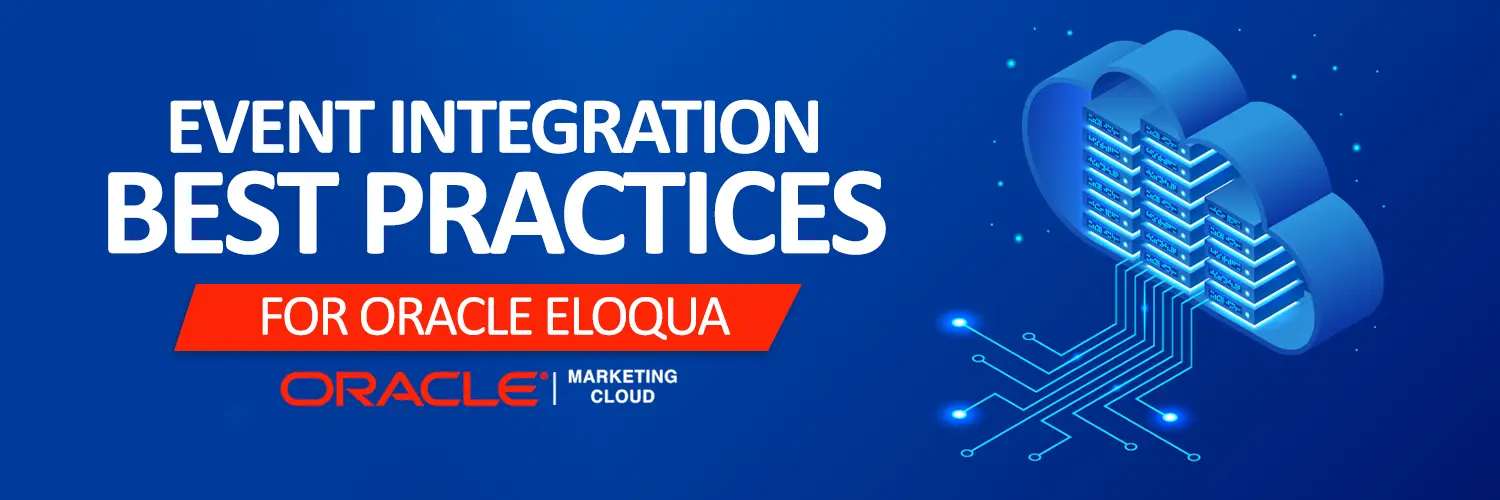
Event Integration with Oracle Eloqua
Why is event integration important for Oracle Eloqua users?
Event integration is crucial for Oracle Eloqua users because it enables seamless data flow between event management platforms and Eloqua, supporting lead nurturing, segmentation, and campaign attribution. With the rise of online and virtual events, having a well-designed integration ensures that event data is accurately captured and utilized in marketing and sales processes.
What are the first steps to integrating an event platform with Oracle Eloqua?
The first step is to check if your event management platform offers an out-of-the-box (OOTB) Oracle Eloqua integration. You can search the Oracle Cloud Marketplace for native or third-party integrations. If no direct integration is available, consider using integration platforms like Zapier, though these may require additional configuration and may not support all data elements.
How do I find out if my event platform supports Oracle Eloqua integration?
Check the vendor's website for integration details or search the Oracle Cloud Marketplace for available integrations. Some platforms may also be compatible through third-party solutions or integration platforms like Zapier.
What should I consider when choosing an integration method for Oracle Eloqua?
Consider whether the integration is native (OOTB), third-party, or requires a general-purpose integration platform. Evaluate the level of configuration required, supported data elements, and whether the integration allows for custom data mapping or requires vendor setup.
How does data mapping work in event integrations with Oracle Eloqua?
Data mapping involves aligning fields from your event platform with those in Oracle Eloqua. Some integrations offer built-in mapping tools, while others require you to provide a list of fields and data types to the vendor for setup. It's important to understand how data will flow and be transformed between systems.
Why is it important to review available data elements before integration?
Reviewing available data elements ensures you capture all necessary information for segmentation, lead nurturing, and sales processes. Required elements typically include contact details, consent, event specifics, and participation status, while optional elements may provide additional insights for sales follow-up.
What are some examples of required and optional data elements in event integration?
Required data elements often include contact and company details, consent, event name, event ID, campaign ID, area of interest, and registration or attendance status. Optional elements might include event duration, time watched, Q&A participation, and attendee feedback, which can be valuable for sales teams.
How can event data be used to support sales and marketing processes?
Event data can drive segmentation, lead nurturing, and campaign attribution. For example, sales teams can use notes about attendee engagement (such as questions asked during Q&A) to personalize follow-up and identify sales opportunities.
What is the role of campaign association in event integration?
Campaign association links event participation data to specific marketing campaigns, enabling accurate attribution and automated lead scoring. This helps measure event effectiveness and prioritize leads based on engagement.
How does 4Thought Marketing's Campaign Membership Cloud App help with event integration?
The Campaign Membership Cloud App from 4Thought Marketing streamlines the process of creating campaign associations and external activities in Oracle Eloqua, automating the tracking of event participation and campaign effectiveness.
Why are nurture campaigns important after event integration?
Nurture campaigns are essential because not all event registrants or attendees are ready to become marketing qualified leads (MQLs). Automated nurture programs continue the conversation, providing additional information and support to help leads progress through the funnel.
What are best practices for mapping event data to Eloqua and other systems?
Best practices include understanding the data flow, using a data dictionary to track fields and formats, and ensuring that data is mapped not only to Eloqua but also to downstream systems like your CRM. This ensures consistency and maximizes the value of event data across your organization.
How can I ensure my sales team benefits from event integration data?
Train your sales team on where to find event data in your CRM and how to use it for follow-up. For example, storing Q&A participation as notes can provide valuable context for sales conversations and help identify cross-sell opportunities.
What challenges might I face when integrating event platforms with Oracle Eloqua?
Challenges can include limited support for certain data elements, the need for custom configuration, and ensuring data consistency across systems. Planning and understanding your requirements in advance can help mitigate these issues.
How can I track the effectiveness of my event marketing campaigns in Eloqua?
By associating event participation data with campaign IDs and leveraging external activities, you can measure lead engagement, attribute leads to specific campaigns, and use automated lead scoring to prioritize follow-up.
What integration options are available if my event platform doesn't have a native Eloqua connector?
If a native connector isn't available, you can explore third-party integrations listed in the Oracle Cloud Marketplace or use integration platforms like Zapier. These may require more planning and may not support all data elements, but they can provide sufficient connectivity for many use cases.
How can I get help with event integration for Oracle Eloqua?
You can contact 4Thought Marketing for expert assistance. They have extensive experience helping customers build robust event integration solutions that drive measurable results. Visit their Contact Us page for more information.
What is the benefit of using a data dictionary during event integration?
A data dictionary helps you track fields, formats, usage, and history, ensuring accurate data mapping and consistency across Eloqua and other connected systems. This reduces errors and streamlines integration maintenance.
How does lead scoring work with event data in Oracle Eloqua?
Lead scoring in Oracle Eloqua can be automated using event participation data. For example, attendees who register and participate in events can receive higher scores, helping prioritize leads for sales follow-up. Some platforms also provide attendee scores that can be incorporated into your lead scoring model.
What are the advantages of automating campaign associations and external activities?
Automating campaign associations and external activities saves time, reduces manual errors, and ensures consistent tracking of event participation. This enables more accurate reporting and better alignment between marketing and sales teams.
Features & Capabilities
What products does 4Thought Marketing offer for Oracle Eloqua users?
4Thought Marketing offers a range of products for Oracle Eloqua users, including 4Comply (privacy compliance), Cloud Apps (enhanced marketing automation), 4Preferences (preference management), 4Segments (visual segmentation), and 4Bridge (integration solutions for Eloqua, Marketo, CRM, and other systems).
What is the 4Bridge Integration Connector?
The 4Bridge Integration Connector is a solution from 4Thought Marketing that enables integration between Oracle Eloqua, Marketo, CRM, and other systems, facilitating seamless data flow and process automation.
What does the 4Comply product do?
4Comply is a software solution from 4Thought Marketing designed to maximize marketing effectiveness while ensuring privacy compliance. It helps organizations manage consent and comply with privacy regulations.
How does 4Preferences help organizations?
4Preferences centralizes preference management across an organization, making it easier to honor customer communication preferences and comply with privacy requirements.
What is 4Segments and who is it for?
4Segments is a visual segmentation tool for marketers, allowing them to create and manage audience segments more efficiently within their marketing automation platforms.
What types of cloud apps does 4Thought Marketing provide?
4Thought Marketing provides innovative cloud apps for marketing automation platforms, such as the Campaign Membership Cloud App, CO to CO Updater, Contact Deleter with Archive, Program Record Remover, and Company Garbage Indicator, each designed to address specific marketing and data management needs.
Does 4Thought Marketing offer free trials for its cloud apps?
Yes, 4Thought Marketing offers free trials for its Eloqua cloud apps. You can sign up for a free trial on their website to evaluate the apps before making a purchase decision.
Use Cases & Benefits
Who can benefit from 4Thought Marketing's event integration solutions?
Marketing and sales teams using Oracle Eloqua, especially those running online or virtual events, can benefit from 4Thought Marketing's integration solutions. These tools help streamline data flow, improve lead management, and enhance campaign effectiveness.
Is 4Thought Marketing suitable for organizations with complex data requirements?
Yes, 4Thought Marketing's solutions are designed to handle complex data mapping and integration needs, supporting organizations that require advanced segmentation, lead scoring, and compliance management.
How does 4Thought Marketing help with privacy compliance?
4Thought Marketing offers products like 4Comply and 4Preferences, which help organizations manage consent and communication preferences, ensuring compliance with privacy laws and regulations.
Can 4Thought Marketing solutions be used with platforms other than Oracle Eloqua?
Yes, 4Thought Marketing provides integration solutions that also support Marketo, Salesforce, Microsoft Dynamics, and other CRM and marketing automation platforms.
Support & Implementation
What support services does 4Thought Marketing offer for event integration?
4Thought Marketing offers a range of support services, including implementation, change management, success planning, data management, system integration, and custom web/app development to ensure successful event integration with Oracle Eloqua.
Does 4Thought Marketing provide training for Eloqua users?
Yes, 4Thought Marketing provides custom online training and videos to help Eloqua users improve their skills and increase productivity.
What is included in 4Thought Marketing's health check and analysis service?
The health check and analysis service uncovers opportunities to improve performance and outcomes in your marketing automation setup, including event integration processes.
How can I contact 4Thought Marketing for support?
You can contact 4Thought Marketing by phone at 888-356-7824 or by email at [email protected]. Additional contact options are available on their website's Contact Us page.
Technical Requirements
What technical skills are needed to integrate an event platform with Oracle Eloqua?
Technical skills required may include understanding data mapping, configuring integrations, and possibly working with APIs or integration platforms. Some integrations are customer-configurable, while others require vendor assistance for setup.
Are there any limitations when using integration platforms like Zapier with Oracle Eloqua?
Integration platforms like Zapier may not support every data element you need and may require more planning and configuration compared to native integrations. Evaluate your requirements to ensure the platform meets your needs.
Can event data be transformed before being stored in Eloqua or CRM?
Yes, event data can be transformed by Eloqua before being stored or passed to other systems. This allows you to standardize formats, combine fields, or create notes for sales teams based on event engagement data.
How do I ensure data consistency across Eloqua and other systems?
Use a data dictionary to track field definitions, formats, and usage. Map data carefully during integration and regularly review processes to ensure consistency across Eloqua, CRM, and other connected systems.