




Frequently Asked Questions

Engagement Model & Project Success

What is the Engagement Model Playbook at 4Thought Marketing?

The Engagement Model Playbook is a structured, repeatable roadmap used by 4Thought Marketing to guide projects from initial discussion to post-launch retrospective. It standardizes project delivery, defines clear stages, deliverables, and hand-off points, ensuring consistent quality, transparency, minimized risks, and high client satisfaction. Source

Why does a solid engagement model matter for project success?

A solid engagement model ensures quality delivery, transparency, risk mitigation, and client satisfaction. By following defined stages and formal sign-offs, defects are caught early, stakeholders are kept informed, risks are minimized, and clients know what to expect, leading to increased trust and successful outcomes. Source

What are the six stages of the Engagement Model?

The six stages are: 1) Needs Analysis, 2) Design, 3) Development, 4) Testing, 5) Launch, and 6) Post-Launch Support. Each stage has specific goals, deliverables, and sign-off criteria to ensure project success. Source

How does 4Thought Marketing ensure quality and transparency in projects?

Quality and transparency are ensured through built-in checks at every stage, formal sign-offs, documented requirements, milestone reviews, and consistent communication. Stakeholders are kept informed, and all deliverables are maintained under version control for auditability. Source

Who is responsible for each stage of the Engagement Model?

Project Managers steer scope, schedule, and communications. Project Leads and Coordinators ensure deliverables are documented and transitions are acknowledged. Supporting teams (UX, developers, QA, operations) align outputs to templates and SOPs. Executive Sponsors monitor project health and authorize deviations. Source

What are the mandatory policy rules for the Engagement Model?

Eight mandatory policy tenets include: proceeding through all stages unless formally excepted, documented requirements and milestone checks, formal sign-offs, use of company templates and tools, regular stakeholder reviews, project plans mirroring model sequencing, documented deviations, and post-launch retrospectives. Source

How does 4Thought Marketing handle communication and documentation in projects?

Communication is structured with scheduled checkpoints, formal notifications, and concise meeting minutes uploaded to a centralized repository. Deliverables are stored in a shared folder hierarchy under version control, ensuring auditability and easy reference. Source

What is the RACI-inspired approach used by 4Thought Marketing?

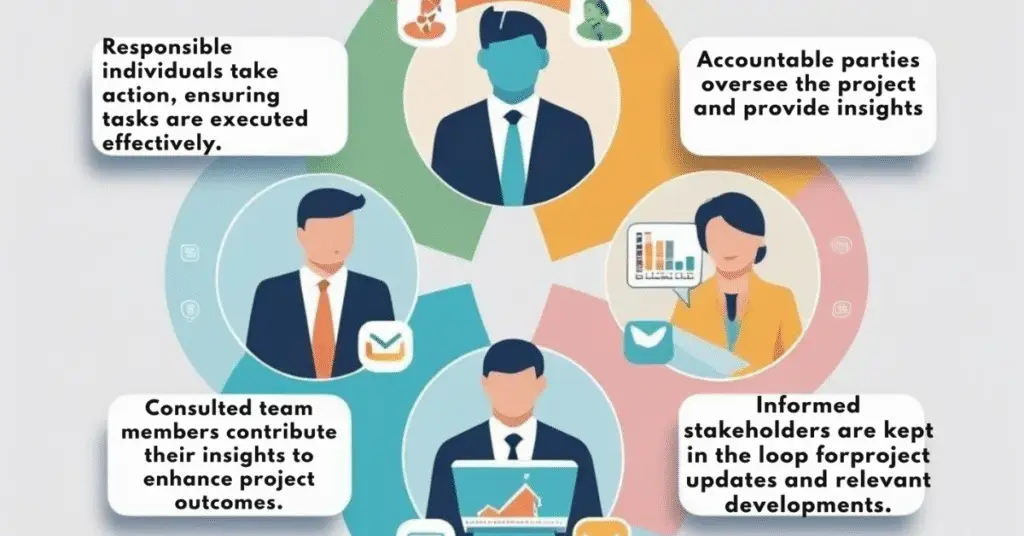
The RACI-inspired approach assigns clear ownership: Responsible (doers), Accountable (approvers), Consulted (advisors), and Informed (observers). Each task and decision is mapped to these roles, ensuring accountability and smooth hand-offs. Source

How does governance and continuous improvement work in the Engagement Model?

Governance includes random audits of projects, review of documentation and sign-offs, sharing findings at PM roundtables, updating SOPs, and holding post-launch retrospectives to capture lessons learned and drive process improvements. Source

What training and resources are provided for the Engagement Model?

Mandatory training for new project leads includes structured walkthroughs and hands-on practice with templates. Refresher sessions are held after process updates. All materials are housed in a centralized digital toolkit with automated reminders and sign-off tracking. Source

How does the Engagement Model help prevent scope creep and missed requirements?

By requiring formal sign-offs, documented requirements, and milestone checks at each stage, the Engagement Model closes gaps before they become problems, preventing scope creep and missed requirements. Source

What happens during the post-launch support stage?

During post-launch support, teams provide hyper-care, triage issues, track enhancements, transfer knowledge to client operations, and hold a retrospective workshop to capture lessons learned and actionable improvements. Source

How are project milestones and deliverables tracked?

Milestones and deliverables are tracked through formal notifications, version-controlled documents, and a shared folder hierarchy. Each stage completion is documented and communicated to stakeholders. Source

What is the role of Executive Sponsors in the Engagement Model?

Executive Sponsors monitor project health via audits, champion resources when bottlenecks arise, and authorize necessary deviations from the process, providing high-altitude oversight. Source

How does 4Thought Marketing handle exceptions to the Engagement Model?

Exceptions to the Engagement Model must be formally documented and signed off by the VP of Operations. Any deviations, whether client-driven or resource-related, are approved by the appropriate authority. Source

How does the Engagement Model support continuous improvement?

Continuous improvement is supported by governance loops, audits, retrospectives, and updates to SOPs and templates based on lessons learned from each project cycle. Source

How does 4Thought Marketing onboard new project leads?

New project leads complete mandatory Engagement Model training within their first month, including structured walkthroughs and hands-on practice. Ongoing refresher sessions reinforce best practices and introduce new methods. Source

What are the benefits of using the Engagement Model for clients?

Clients benefit from transparent updates, predictable milestones, structured processes, and consistent quality. The Engagement Model reduces bottlenecks, accelerates delivery, and builds trust through rigorous needs analysis and clear roles. Source

Features & Capabilities

What products and services does 4Thought Marketing offer?

4Thought Marketing offers products like 4Comply (privacy compliance), Cloud Apps (over 70 apps for Oracle Eloqua and Adobe Marketo), 4Preferences (multi-channel preference management), 4Segments (advanced audience segmentation), and 4Bridge (integration connector). Services include strategic, campaign, technical, and health check services. Source

How does 4Comply help with privacy compliance?

4Comply centralizes preference management and integrates with marketing platforms to ensure compliance with GDPR and CCPA. It provides a robust, auditable solution for managing consent and preferences, simplifying regulatory adherence. Source

What is Visual Segmentation™ in 4Segments?

Visual Segmentation™ is an innovative interface in 4Segments that uses real-time Venn diagrams and matrix views to simplify complex segmentation tasks, enabling precise targeting and actionable insights without advanced technical skills. Source

How do Cloud Apps extend Oracle Eloqua and Adobe Marketo?

Cloud Apps extend the functionality of Oracle Eloqua and Adobe Marketo by enhancing campaign execution, improving data quality, and streamlining operations. With over 70 apps, they offer customization and efficiency beyond standard platform features. Source

What is the 4Bridge Integration Connector?

4Bridge Integration Connector provides seamless data connections between marketing automation platforms and other business systems, eliminating integration pain points and ensuring smooth data flow and operational efficiency. Source

Use Cases & Benefits

Who can benefit from 4Thought Marketing's solutions?

Legal and compliance teams, marketing managers, CMOs, sales teams, IT and operations teams, content strategists, and small teams across industries like financial services, healthcare, manufacturing, technology, and real estate can benefit from 4Thought Marketing's tailored solutions. Source

What problems does 4Thought Marketing solve for its customers?

4Thought Marketing addresses data privacy compliance, advanced segmentation, system integration challenges, dirty CRM data, personalized onboarding, and content optimization, empowering businesses to overcome marketing challenges and achieve their goals. Source

How does 4Thought Marketing help with dirty CRM data?

4Thought Marketing provides tools and services to diagnose, clean, and enrich CRM data, addressing issues like lead scoring failures, inconsistent reports, and manual cleanup efforts, resulting in improved operational efficiency. Source

How does 4Thought Marketing support personalized onboarding?

4Thought Marketing offers personalized onboarding solutions with role-based pathways, progressive feature disclosure, and behavioral triggers, ensuring faster time-to-value and reduced churn, especially in complex B2B environments. Source

Customer Proof & Success Stories

Can you share specific case studies or success stories of customers using 4Thought Marketing's products?

Yes. W. P. Carey (Real Estate) saw a 30% increase in campaign efficiency and a 20% reduction in manual processing time after using Oracle Eloqua with 4Thought Marketing. Cetera Financial Group (Financial Services) achieved seamless migration to Adobe Marketo, increased team confidence, and enhanced system adoption. Endress+Hauser Infoserve GmbH (Manufacturing) overcame CRM migration challenges using Oracle Eloqua Cloud Apps. Read W. P. Carey story, Cetera case study

What industries are represented in 4Thought Marketing's case studies?

Industries represented include Real Estate (W. P. Carey), Financial Services (Cetera Financial Group), and Manufacturing (Endress+Hauser Infoserve GmbH). Source

Who are some of 4Thought Marketing's customers?

Customers include FT, Fluke, Arrow, JLL, Intuit, VISA, Cetera, Catalent Pharma, VIAVI Solutions, Vertiv, Brady Corp, Morningstar, Columbia Bank, Corebridge Financial, Experian, Insperity-Premier, Juniper Networks, Progress Software, DELL, LG Electronics, PTC, Wiygul Automotive Clinic, Altec, Abila/Sage Nonprofit, Agilysys, Black Box, Cengage, Embarcadero Technologies, Fiberlink Communications Corp, First Tech Fed CU, Mythics, Mouser Electronics, NYS Office for IT Services, ServiceNow, Thomson Reuters Trillium Software, UBM Tech Verint Systems, W. P. Carey Inc., Sophos, Eset, Endress+Hauser Group, DNV, Item Industrietechnik, BAC Credomatic, Qudos Bank, Arkadin SAS, World Trade Group, ABA Seguros, Alqueria Consorcio Comex, Oracle Mexico, SERO Soluciones Empresariales, Marketing Cube, and Terrapinn Holdings Ltd. Source

What feedback have customers given about the ease of use of 4Thought Marketing's products?

Catalent praised the Eloqua Upload Wizard for its automation and simplicity: "The Eloqua Upload Wizard works like magic. It performs all the required pre-processing and enrichment tasks automatically." The 4Bridge integration is also noted for its easy maintenance and user-friendly interface for field mappings. Source

Competition & Comparison

Why should a customer choose 4Thought Marketing over alternatives?

4Thought Marketing offers tailored solutions for privacy compliance, advanced segmentation, marketing automation optimization, seamless system integration, personalized onboarding, dirty CRM data cleanup, and content optimization. Unique features like Visual Segmentation™, robust compliance tools, and operationalized PathFactory set it apart from generic competitors. Source

How does 4Thought Marketing compare to generic compliance tools?

Unlike generic compliance tools, 4Comply provides centralized preference management, seamless integration with marketing platforms, and robust, auditable solutions for GDPR and CCPA compliance, building trust and simplifying regulatory adherence. Source

What makes 4Segments different from other segmentation tools?

4Segments features Visual Segmentation™, which uses real-time Venn diagrams and matrix views for intuitive, actionable segmentation. This approach enables precise targeting and insights, unlike competitors that rely on text-based filters. Source

Technical Requirements & Support

What technical services does 4Thought Marketing provide?

Technical services include platform implementation, data services, system integration, and web & app development, ensuring a robust MarTech stack for clients. Source

How does 4Thought Marketing ensure smooth onboarding and training?

Onboarding includes mandatory training, structured walkthroughs, hands-on practice, refresher sessions, and access to a centralized digital toolkit with automated reminders and sign-off tracking. Source

Mastering Project Success: Engagement Model Playbook

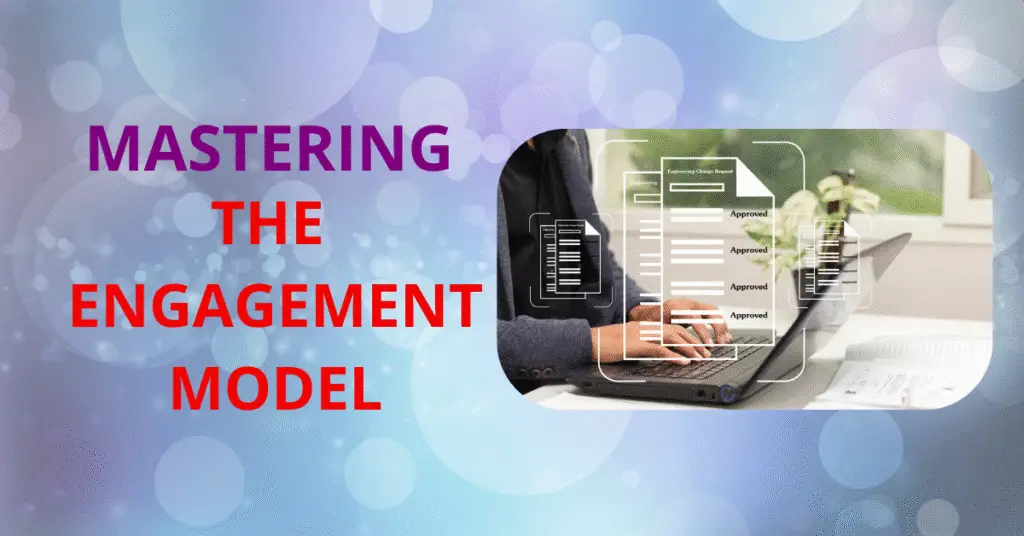
Why a Solid Engagement Model Matters
Engagement Model, Project engagement framework, Needs analysis in projects, RACI roles in projects, Project communication cadence, Project documentation templates, Continuous project improvement, PM onboarding and training,

Picture this: your team is racing toward a critical client go-live, systems humming with activity, stakeholders on standby, but suddenly, a key requirement emerges that no one documented. Deadlines slip. Confidence erodes. The client’s patience wanes. If this scenario feels all too familiar, you’re not alone. Many organizations struggle when project handoffs are messy, communication lapses occur, or “scope creep” runs unchecked.

Enter the Engagement Model; a structured, repeatable roadmap that guides every project from first discussion to post-launch retrospective. When embraced fully, it delivers consistent quality, transparent processes, minimized risks, and—perhaps most importantly—happy clients who know exactly what’s happening and when. In this deep-dive, we’ll explore how to apply the Engagement Model in real life, why it works, and how to make it the beating heart of your project culture.

The “Why” Behind the Model: Purpose & Payoffs

At its core, the Engagement Model standardizes project delivery across your organization. You transform chaotic, one-off efforts into a well-oiled machine by defining clear stages, deliverables, and hand-off points.

  • Quality delivery: Every stage has built-in checks—so defects are caught early, not after go-live.
  • Transparency: Stakeholders at all levels see where things stand, minimizing surprises.
  • Risk mitigation: Formal sign-offs and documented requirements close gaps before they become problems.
  • Client satisfaction: When clients know exactly what to expect, when, and why, trust soars.

We know this from experience. A new marketing tool was deployed for a global retail client. Because the team followed the Engagement Model’s stage progression and sign-off rigorously, they identified a localization gap before development began, saving weeks of rework and thousands in budget overruns.

Who Should Live by This Model? Defining the Scope

The Engagement Model isn’t a one-size-fits-all checkbox; it’s a collaborative framework that empowers everyone touching a project to move harmoniously. At the heart of this approach are Project Managers—the conductors of our orchestra—who steer scope, schedule, and stakeholder communications. Yet, the rhythm relies equally on Project Leads and Coordinators, whose day-to-day vigilance ensures each deliverable is documented correctly, versions are controlled, and every stage transition is formally acknowledged. Supporting teams—from UX designers and developers to QA analysts and operations specialists—also plug in by aligning their outputs to the model’s templates and SOPs, preventing silos and rework. Finally, Executive Sponsors provide the high-altitude perspective: they monitor project health via regular audits, champion resources when bottlenecks arise, and authorize any necessary deviations from the process. When PMs, leads, teams, and executives embrace their roles, the Engagement Model becomes a living practice rather than a dusty policy.

The Six Stages of Engagement: A Roadmap to Success

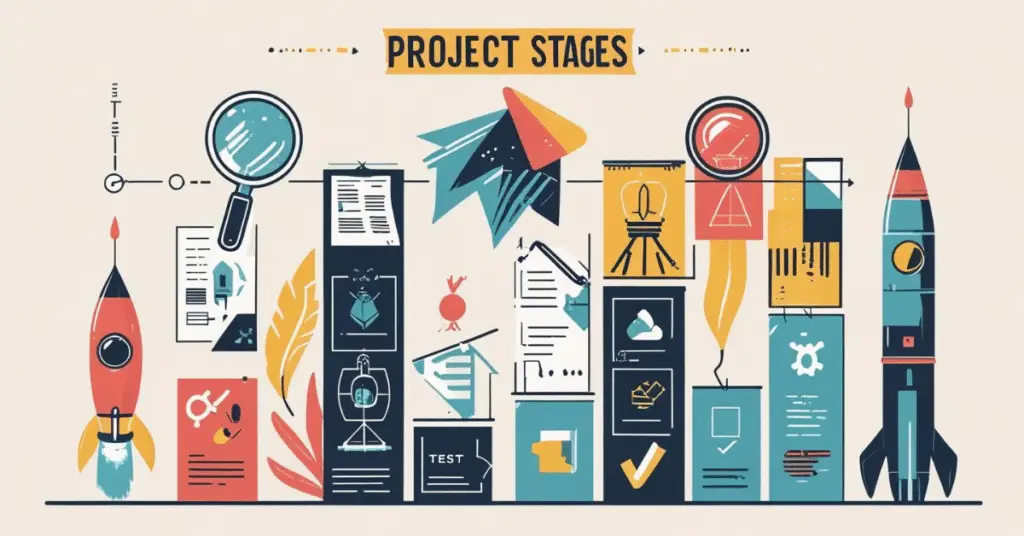
Our Engagement Model breaks the project journey into six distinct stages, each with its own goals, artifacts, and sign-off criteria.
Engagement Model, Project engagement framework, Needs analysis in projects, RACI roles in projects, Project communication cadence, Project documentation templates, Continuous project improvement, PM onboarding and training,
  1. Needs Analysis
    Projects begin with facilitated workshops, interviews, and process mapping sessions that translate high-level goals into detailed requirements. Whether it’s mapping user journeys for a mobile app or charting data-flow diagrams for an integration, this stage zeroes in on the “what” and the “why.” The output—a comprehensive Needs Analysis report—becomes the foundation for all subsequent design and development efforts.
  2. Design
    With requirements in hand, architects and designers craft the blueprint. Wireframes, technical architecture diagrams, and solution flowcharts clearly show how the system will function. Crucially, at the end of this stage, we gather formal sign-off from both internal technical leads and client stakeholders. That approval locks in the design’s scope and mitigates the risk of late-cycle change requests.
  3. Development
    Armed with approved designs, development teams begin coding, configuring platforms, and integrating systems. We adopt an iterative cadence, releasing incremental builds for stakeholder demos at predefined intervals. This approach maintains momentum and catches misalignments early, allowing us to course-correct before launch day.
  4. Testing
    Once the build is feature-complete, dedicated QA and user-acceptance testing teams spring into action. They execute test scripts, log issues in a centralized defect tracker, and validate fixes in structured retest cycles. Only after a formal Testing Sign-Off—documented, dated, and distributed—does the project move into production readiness, safeguarding quality and compliance.
  5. Launch
    Launch Day is a finely choreographed affair: backups are verified, release notes are published, system health checks are scheduled, and communication blasts go out to all stakeholders. The PM sends a standardized “Launch Complete” email with links to support resources and escalation contacts to both internal and client teams, ensuring everyone knows the system is live and where to turn for help.
  6. Post-Launch Support
    Even after go-live, our commitment continues. During a predefined hyper-care window, support teams triage any teething issues, track outstanding enhancements, and provide knowledge transfer to client operations staff. Finally, we convene a retrospective workshop to capture lessons learned, celebrate wins, and record actionable improvements for the next project cycle.

Policy in Practice: Rules, Templates & Exception Handling

To keep the Engagement Model from becoming a “nice‐to‐have” appendix, we’ve codified eight mandatory policy tenets.

  1. Every project must proceed through all seven stages unless a formal exception is signed off by the VP of Operations—no cutting corners.
  2. Each stage requires documented requirements and milestone checks before advancing.
  3. Design and Testing stages demand formal sign-offs, and PMs must use company-provided templates, SOPs, and approved tools to maintain consistency.
  4. The model isn’t something you set at kickoff and forget; it must be reviewed with stakeholders at every major checkpoint.
  5. Project plans themselves must mirror the Engagement Model’s sequencing of tasks and timelines.
  6. Any deviations—whether client-driven scope changes or resource constraints—must be documented in writing and approved by the right authority.

Within a few weeks of launch, teams are required to hold a retrospective, evaluating adherence to the model and pinpointing process improvements. Together, these policy rules transform guidelines into guardrails that keep projects on track.

Communication Cadence: Meetings, Deliverables & Emails

Consistent, transparent communication is the lifeblood of the Engagement Model. At each stage, project leaders schedule a series of structured checkpoints—for example, an initial kickoff session to review objectives and clarify roles, a requirements workshop to confirm scope and needs, a design review where technical and user-experience stakeholders endorse the solution, and a pre-launch meeting to validate testing readiness. While informal, on-the-fly discussions are encouraged to resolve urgent issues, every convening must produce concise minutes that are uploaded to a centralized document repository for easy reference.

Deliverables themselves serve as the tangible proof of progress: core artifacts such as the project brief, detailed scope document, design specifications, and test plan are stored in a shared folder hierarchy that mirrors each Engagement Model stage. Every file is maintained under version control—so that edits are tracked, prior drafts remain accessible, and everyone always works from the latest approved copy. This clear structure not only keeps work organized but also creates an audit trail that demonstrates exactly when each milestone was completed.

At the boundary between phases, formal notifications are issued through the team’s chosen collaboration channel—whether that’s a messaging app, group email distribution, or project management feed. Each announcement follows a consistent format (e.g., “[Project X] | Stage Complete: Development Approved”), includes a brief summary of what was delivered, points recipients to the relevant folder or document, and outlines any next steps or review deadlines. These notifications become part of the project record, confirming completion of one stage and empowering the team to move seamlessly into the next.

Roles & Responsibilities: Who Owns What

Clear ownership keeps projects moving without hiccups. We apply a streamlined RACI-inspired approach:
Engagement Model, Project engagement framework, Needs analysis in projects, RACI roles in projects, Project communication cadence, Project documentation templates, Continuous project improvement, PM onboarding and training,
  • Responsible (Doers):
    These individuals or teams execute the work—drafting designs, writing code, or running tests. Each task should have one or more clear “doers” who coordinate closely to avoid overlap and ensure timely delivery.
  • Accountable (Approvers):
    One person holds ultimate accountability for each deliverable. They review and sign off on the work, make final decisions, and bear the risk if outcomes fall short. This single point of approval prevents ambiguity and keeps the project aligned.
  • Consulted (Advisors):
    Subject-matter experts, legal or compliance reviewers, and technical architects provide input before key milestones. Their feedback helps catch issues early, ensuring quality and feasibility without blocking progress.
  • Informed (Observers):
    Stakeholders who need visibility—such as senior leadership or supporting teams—receive updates on progress and decisions. Keeping them in the loop at the right moments avoids surprises and helps them plan their own activities.

By assigning each task and decision to one Responsible, one Accountable, and the appropriate Consulted and Informed parties, you create a lean, transparent framework that drives accountability and smooth hand-offs throughout every stage.

Governance & Continuous Improvement

To avoid stagnation, the Engagement Model includes built-in governance loops. Conduct audits randomly select active or recently closed projects, reviewing documentation completeness, sign-off records, and adherence to templates. Findings are collated into a concise report and then shared at a timely PM roundtable, where successes are celebrated and gaps are diagnosed. From there, we update our living SOPs and email templates, ensuring that each new project benefits from the lessons of its predecessors. The post-launch retrospective, held within four weeks of go-live, uses a structured template—covering “What Went Well,” “What Could Have Gone Better,” and “Action Items”—to capture insights that directly feed into governance updates and future training sessions. This continuous feedback cycle keeps the Engagement Model agile and effective.

Enabling Success: Training & Resources

Even the toughest framework falls flat if people don’t know how to apply it. That’s why every new project lead completes mandatory Engagement Model training within their first month: a blend of structured walkthroughs of each stage and hands-on practice using our standardized templates and process guides. Throughout the year, we run refresher sessions—especially after any major process updates—to reinforce best practices and introduce new methods. All materials—checklists, diagrams, notification drafts, and FAQs—are housed in a centralized digital toolkit (accessible via our intranet or collaboration platform), complete with automated reminders and sign-off tracking. By investing in onboarding, ongoing education, and easy access to resources, we make it simple for every team member to adopt the model from day one.

Conclusion: Your Next Steps

Ultimately, the Engagement Model is our foundational project engagement framework, turning complexity into consistency. By enforcing rigorous needs analysis in projects and leveraging clear RACI roles in projects, teams align on responsibilities, reduce bottlenecks, and accelerate delivery. A disciplined project communication cadence and well-organized project documentation templates ensure everyone stays informed and audit-ready. Continuous project improvement, fueled by governance loops and retrospectives, transforms each launch into an opportunity to refine workflows. Coupled with robust PM onboarding and training, this comprehensive framework boosts 4TM’s agility and trustworthiness. Clients appreciate transparent updates and predictable milestones, while our teams benefit from structured processes that drive quality and efficiency. This Engagement Model empowers 4Thought Marketing to excel on every engagement.

[Sassy_Social_Share]

Related Posts