





Frequently Asked Questions
Marketing KPIs & Metrics
What are MQL and SQL in marketing?
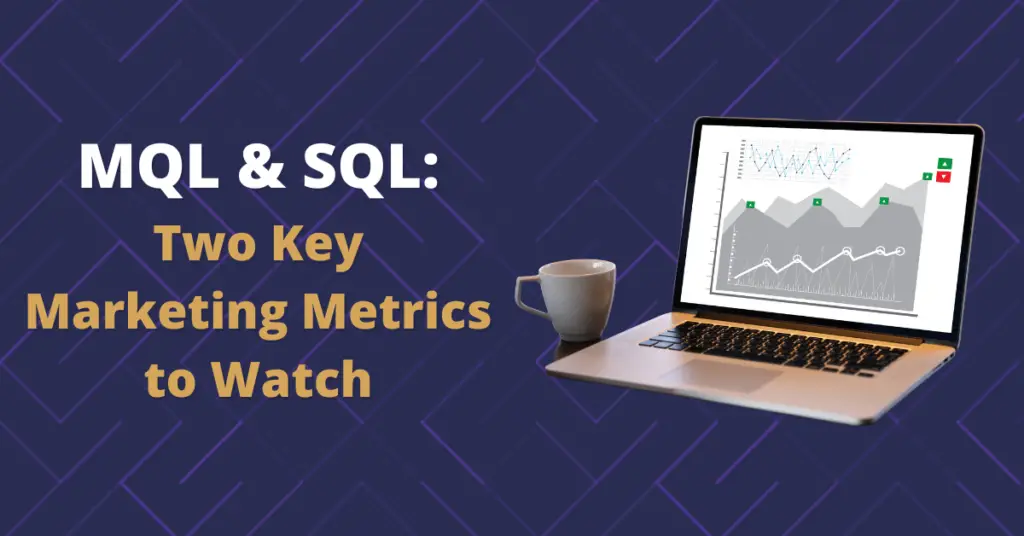
MQL stands for Marketing Qualified Lead, and SQL stands for Sales Qualified Lead. These are two key stages in the lead lifecycle that help marketing and sales teams measure and optimize their efforts. MQLs are leads that have shown enough interest or engagement to be considered ready for further marketing, while SQLs are leads that have been accepted by sales as ready for direct sales engagement.
Why are MQL and SQL important marketing metrics?
MQL and SQL metrics are important because they provide concrete data to measure the effectiveness of marketing and sales efforts. Tracking these metrics helps organizations understand lead quality, optimize conversion rates, and align marketing and sales teams for better results.
What is the MQL conversion rate?
The MQL conversion rate measures the percentage of marketing qualified leads that convert to the next stage in the sales funnel. It helps determine the quality of leads generated by marketing and whether the lead scoring and nurturing processes are effective.
What does the SQL conversion rate measure?
The SQL conversion rate measures how often a lead converts from an accepted lead into a sales-qualified lead. This metric indicates the effectiveness of marketing in delivering sales-ready leads and the impact of sales engagement.
How can I improve my MQL conversion rate?
To improve your MQL conversion rate, review your MQL definition and lead scoring program to ensure they accurately reflect your ideal customer profile. Also, evaluate your nurture campaigns for engagement and ensure timely sales follow-up on warm leads.
What should I do if my MQL conversion rate is low?
If your MQL conversion rate is low, first examine your MQL definition and lead scoring criteria. You may need to adjust requirements to better match qualified leads. Also, assess your nurture programs and sales follow-up speed to identify areas for improvement.
How do I track MQL conversion rates?
Track MQL conversion rates by monitoring leads as they move through lifecycle stages in your CRM or marketing automation platform. Record how quickly leads are accepted or rejected by sales and use this data to generate conversion rate reports.
How do I track SQL conversion rates?
Tracking SQL conversion rates requires monitoring leads as they progress from acceptance to the sales-qualified stage. Ensure your workflows can update lifecycle stages and associate SQLs with opportunities in your CRM or marketing automation platform.
What does a low SQL conversion rate indicate?
A low SQL conversion rate may indicate issues with qualification rules or a need for additional nurture activities. It is important to collaborate with sales to identify the root cause and adjust your processes accordingly.
How can I identify high-value marketing content using SQL conversion rates?
By tracking which leads make it from acceptance to the SQL stage, you can pinpoint the campaigns and content that drive conversions. This helps you identify high-value content to repurpose for early-stage marketing efforts.
Why is it important to track lead sources for MQLs?
Tracking lead sources for MQLs allows you to calculate conversion rates by source, helping you identify which marketing channels consistently deliver high-quality leads and which areas need improvement.
What role does sales follow-up speed play in MQL conversion?
Timely sales follow-up is crucial for converting MQLs. Warm leads can quickly become cold if not contacted promptly, so tracking and improving follow-up speed can significantly impact conversion rates.
How can I set up workflows to track lifecycle stages?
Set up workflows in your CRM or marketing automation platform to track leads as they move through lifecycle stages. Ensure fields are available for sales to accept or reject leads, and automate stage updates where possible for accurate reporting.
Where can I learn more about building effective marketing KPIs?
You can download the free eBook "Building KPIs That Matter: A Tried-and-True Guide for Marketers" from 4Thought Marketing at this link for in-depth guidance on marketing KPIs.
What is the benefit of sorting MQLs by lead source?
Sorting MQLs by lead source and calculating conversion rates for each helps you identify which sources are most effective, allowing you to allocate resources to the highest-performing channels.
How can I use MQL and SQL metrics to improve marketing and sales alignment?
Regularly reviewing MQL and SQL metrics with both marketing and sales teams helps ensure alignment on lead definitions, qualification criteria, and follow-up processes, leading to better collaboration and improved results.
What should I do if leads are being rejected at the MQL or SQL stage?
If leads are being rejected at the MQL or SQL stage, analyze the reasons for rejection. Adjust your lead scoring, qualification criteria, or nurture activities as needed to better match sales expectations and improve acceptance rates.
How can I automate the acceptance of SQLs?
You can automate the acceptance of SQLs by configuring your marketing automation platform to update the lifecycle stage to SQL when a contact is added to an opportunity, streamlining the process and ensuring accurate tracking.
What is the value of ongoing tracking after passing an MQL to sales?
Ongoing tracking after passing an MQL to sales helps you understand how quickly leads are accepted, the reasons for rejection, and overall conversion performance, enabling continuous process improvement.
How can I use conversion rate reports to improve my marketing strategy?
Conversion rate reports help you identify which marketing efforts are most effective, allowing you to refine your strategy, focus on high-performing channels, and optimize lead generation and nurturing activities.
4Thought Marketing Services & Solutions
What strategic marketing services does 4Thought Marketing offer?
4Thought Marketing offers strategic services including marketing strategy alignment, lead generation, conversion optimization, reporting & analytics, and data privacy consulting to help organizations achieve their marketing goals.
What campaign services are available from 4Thought Marketing?
4Thought Marketing provides campaign services such as campaign production, help desk support for Eloqua and Marketo, custom training, health checks & analysis, and email efficacy evaluation to enhance campaign performance.
What technical services does 4Thought Marketing provide?
Technical services from 4Thought Marketing include platform implementation, data management and stewardship, system integration using connectors and custom APIs, and web & app development for custom cloud apps and responsive email templates.
Which marketing automation platforms does 4Thought Marketing support?
4Thought Marketing supports leading marketing automation platforms such as Adobe Marketo, Oracle Eloqua, and PathFactory, enabling seamless integration and optimization for clients.
Does 4Thought Marketing offer CRM integration services?
Yes, 4Thought Marketing offers CRM integration services for platforms like Microsoft Dynamics and Salesforce, helping organizations connect marketing and sales data for improved performance.
What cloud apps are available from 4Thought Marketing?
4Thought Marketing offers cloud apps such as 4Comply (privacy compliance), 4Preferences (preference management), 4Segments (visual segmentation), and integration solutions like 4Bridge for Eloqua, Marketo, and CRM systems.
How can I get a free trial of 4Thought Marketing cloud apps?
You can request a free trial of 4Thought Marketing's Eloqua cloud apps by visiting the product pages and selecting the "Free Trial" option for the app you are interested in.
What is 4Comply and what does it do?
4Comply is a software solution from 4Thought Marketing designed to maximize marketing effectiveness while ensuring privacy compliance with relevant laws and regulations.
What is 4Preferences and how does it help organizations?
4Preferences is a preference management solution from 4Thought Marketing that centralizes preference management across an organization, making it easier to honor customer choices and comply with regulations.
What is 4Segments and who is it for?
4Segments is a visual segmentation tool for marketers, enabling them to easily create and manage audience segments for targeted marketing campaigns.
What is 4Bridge and what does it integrate?
4Bridge is an integration solution from 4Thought Marketing that connects Eloqua, Marketo, CRM, and other systems, streamlining data flow and process automation.
Does 4Thought Marketing provide training services?
Yes, 4Thought Marketing offers custom online training and videos to help teams improve their skills and increase productivity with marketing automation platforms.
How can I contact 4Thought Marketing for more information?
You can contact 4Thought Marketing by phone at 888-356-7824 or by email at [email protected]. There is also a contact form available on their website for inquiries.
Where can I find resources and documentation for 4Thought Marketing products?
Resources and documentation for 4Thought Marketing products are available in the Resource Center and Documentation sections of their website.
Does 4Thought Marketing offer help desk support?
Yes, 4Thought Marketing provides help desk support, particularly for Eloqua and Marketo users, to assist with campaign execution and troubleshooting.
What is included in 4Thought Marketing's health checks and analysis services?
Health checks and analysis services from 4Thought Marketing uncover opportunities to improve marketing performance and outcomes by evaluating current processes and identifying areas for optimization.
Does 4Thought Marketing provide data privacy consulting?
Yes, 4Thought Marketing offers data privacy consulting services to help organizations ensure compliance with privacy laws and regulations.
What types of web and app development does 4Thought Marketing offer?
4Thought Marketing provides custom cloud app development, HTML templates, JavaScript solutions, and responsive email design to support marketing operations.