AI as the New Marketing Operations Analyst: Automating the Work Analysts Used to Do by Hand
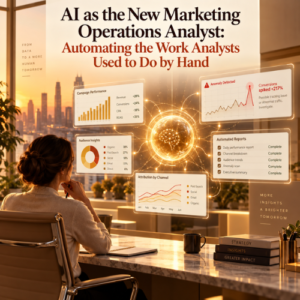
An AI marketing operations analyst is already automating the manual reporting, monitoring, and root-cause work analysts used to handle by hand.

Software for maximizing your marketing while ensuring privacy compliance
Innovative solutions to do more with Marketing Automation platforms
Centralize Preference Management Across Your Organization
Visual Segmentation for Marketers
Integration solutions for Eloqua, Marketo, CRM, and other systems
Align corporate and marketing goals
Data capture strategy
Lead scoring, nurturing, segmentation strategy, and funnel framework
Measure results and plan improvements
Ensure compliance with privacy laws
Email, form, and landing page execution. Deliverability and reporting
Eloqua and Marketo specialists
Improve skills and increase productivity with custom online training and videos
Uncover opportunities to improve performance and outcomes
Enhance email impact through expert analysis
Platform installation, change management, and success planning
Data management and stewardship
System integration options using connectors and custom APIs
Custom cloud apps, HTML templates,
JavaScript, and responsive email
An AI marketing operations analyst is already automating the manual reporting, monitoring, and root-cause work analysts used to handle by hand.
Natural language segmentation lets marketing ops teams describe an audience in plain English and let AI build the filter logic, replacing manual work with a...
AI attribution modeling doesn't make attribution smarter, it makes it honest, reconstructing the real customer journey instead of a simplified, analyst-approximated version of it.
AI executive reporting can replace the same five recycled bullets with real anomalies, but someone still has to decide how to frame what it finds...
A practical guide to marketo tokens: field merges, My Tokens, Program Member Custom Field tokens, and the inheritance rules and default values that keep personalization...
Eloqua AI vs Marketo AI: Eloqua ships assistant-level content tools while Marketo builds agentic AI natively, with parts still in beta.
Software for maximizing your marketing while ensuring privacy compliance
Innovative solutions to do more with Marketing Automation platforms
Centralize Preference Management Across Your Organization
Visual Segmentation for Marketers
Integration solutions for Eloqua, Marketo, CRM, and other systems
Align corporate and marketing goals
Data capture strategy
Lead scoring, nurturing, segmentation strategy, and funnel framework
Measure results and plan improvements
Ensure compliance with privacy laws
Email, form, and landing page execution. Deliverability and reporting
Eloqua and Marketo specialists
Improve skills and increase productivity with custom online training and videos
Uncover opportunities to improve performance and outcomes
Enhance email impact through expert analysis
Platform installation, change management, and success planning
Data management and stewardship
System integration options using connectors and custom APIs
Custom cloud apps, HTML templates,
JavaScript, and responsive email
An AI marketing operations analyst is already automating the manual reporting, monitoring, and root-cause work analysts used to handle by hand.

Natural language segmentation lets marketing ops teams describe an audience in plain English and let AI build the filter logic, replacing manual work with a...
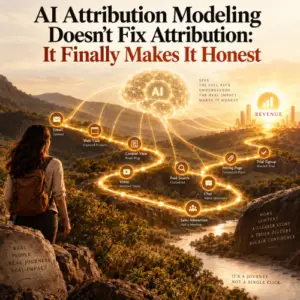
AI attribution modeling doesn't make attribution smarter, it makes it honest, reconstructing the real customer journey instead of a simplified, analyst-approximated version of it.

AI executive reporting can replace the same five recycled bullets with real anomalies, but someone still has to decide how to frame what it finds...
A practical guide to marketo tokens: field merges, My Tokens, Program Member Custom Field tokens, and the inheritance rules and default values that keep personalization...
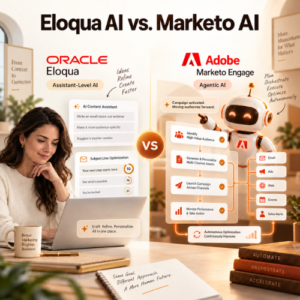
Eloqua AI vs Marketo AI: Eloqua ships assistant-level content tools while Marketo builds agentic AI natively, with parts still in beta.

Annual License:
Improve campaign engagement measurement by associating previously anonymous visitor activities with contacts.
Annual License:
Lifetime License:
Today’s buyers spend time researching before they ever reach out. That means a significant share of your paid media, social, and organic traffic arrives anonymously. Eloqua tracks these anonymous visitors and records the URLs they land on — including any query strings in those URLs. When a visitor later submits a form and becomes a known contact, this app looks back through their visit history, finds pages visited via tagged campaign URLs, and creates External Activities and campaign responses that would otherwise never exist.
The app runs as a step in the Eloqua Program Canvas. When a new contact enters that step, it scans their pre-conversion visitor history for page visits that contain configured query string parameters.
For the app to create an External Activity and campaign response, your paid media URLs must include a query string field that contains the Eloqua Campaign ID. Additional parameters — UTM values, source data, custom fields — are captured into a Custom Data Object at the same time.
A typical tagged URL looks like this:
www.website.com/contact-us?utm_source=linkedin&utm_campaign=Q1-Brand&campaign_code=123
In this example, campaign_code=123 is the Eloqua Campaign ID. utm_source and utm_campaign are written to the CDO. Multiple parameters can be configured simultaneously.
Note on cookies: Attribution depends on Eloqua’s tracking cookie linking a visitor’s anonymous history to their eventual form submission. If a visitor clears cookies, uses a different browser or device, or is subject to strict consent mode settings, the link may not be made. This is a platform-level behavior that affects all Eloqua visitor tracking.
The app triggers when a new contact enters the configured Program Canvas step. For existing known contacts who visit a tracked page without submitting a form, query string parameters are not automatically captured. A different approach — such as hidden form fields on landing pages — is needed for that use case.
The lookback window is configurable. The default is up to 6 months of pre-conversion visit history.
Yes, for External Activities and campaign responses to be created. The app looks for a query string field that contains the Eloqua Campaign ID. UTM parameters and other values are captured to the CDO but do not create campaign responses on their own.
Hidden form fields capture UTM data only at the moment of form submission, missing earlier visits from other campaigns. They also write data to contact fields rather than creating campaign responses, which means they don’t feed Eloqua’s attribution reporting the same way. This app creates actual campaign responses from pre-conversion history.
Yes. Each instance requires a separate license. See the Details section below for usage limits.